
Academy Call-Ups: When Injuries Open the Door

On the fourth of February 2020, Liverpool fielded a team against Shrewsbury Town in an FA Cup replay with an average age of nineteen years and one hundred and two days, the youngest starting eleven in the club's history. The senior squad was on its winter break, the kids won 1-0, and a batch of academy players gained a reference point that shaped their careers. The match is the extreme version of a mechanism that runs quietly all season: absence at the top of the squad creates opportunity at the bottom.
Most academy debuts are not fairy tales. They are the downstream consequence of an injury list, and understanding that connection explains both the debuts and the decisions behind them.
The pathway from treatment room to debut
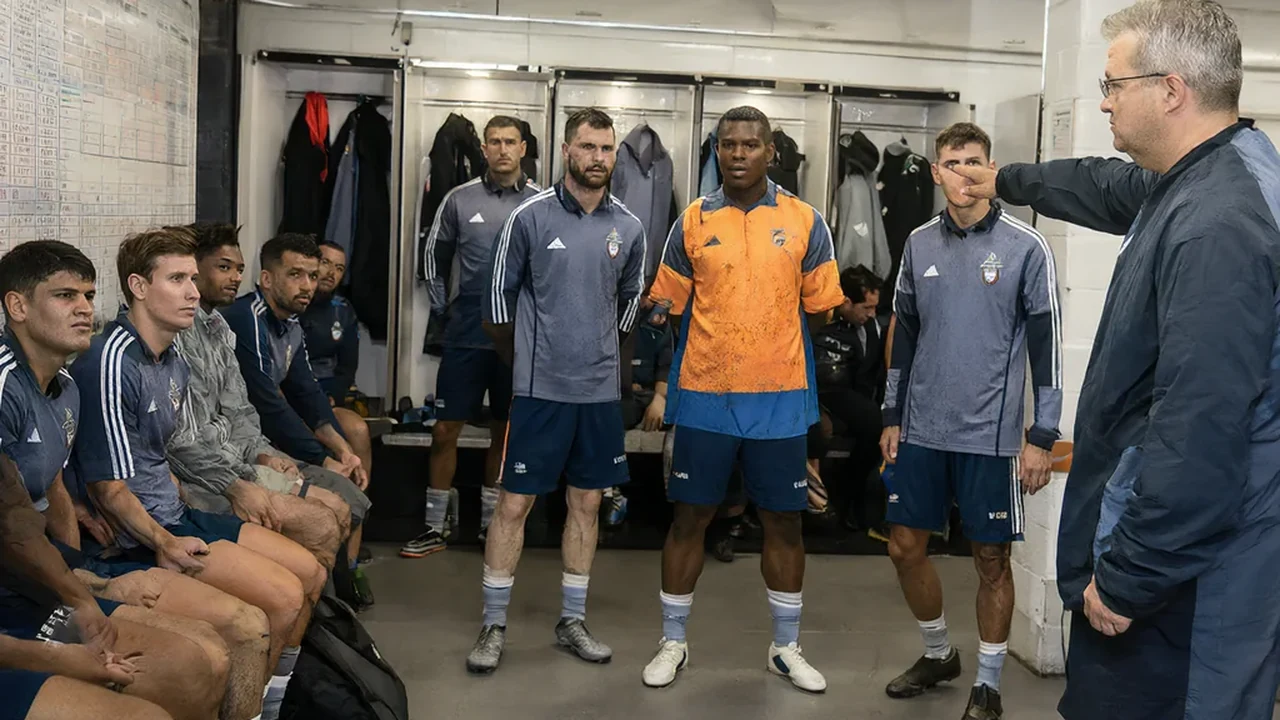
The chain is mechanical. A Premier League matchday squad carries twenty players, eleven starters and nine substitutes, and clubs fill the bench from the senior group by default. Strip four or five seniors through injuries and suspensions, and the bench mathematics force a decision: name a short bench, or promote from the youth ranks. The under-21 captain, the eighteen-year-old midfielder who has trained with the first team all month, suddenly has a seat on the coach and a shirt with a number in the sixties.
The structural rules encourage it. Premier League squads are capped at twenty-five senior players, with under-21 players available outside the cap, which makes the academy the only elastic part of the squad. A club in an injury crisis cannot sign anyone between windows, cannot recall loanees early without agreement, but can always reach down. The youth call-up is the only recruitment a crisis permits in November.

What a crisis debut actually looks like
The pattern repeats across clubs and seasons. The youngster first appears in matchday squads during the congested months, gets a League Cup start while seniors rest, and earns league minutes when the injury list peaks. The jump that looks sudden from the outside has usually been rehearsed for months: training with the seniors since autumn, playing bounce games against first-team defenders, carrying the manager's tactical instructions in youth fixtures so the transition is smaller than it appears.
- The first signal is training promotion: the teenager appears in first-team galleries weeks before any squad.
- The second is the cup bench: named among the substitutes in the League Cup without playing.
- The third is the debut itself, typically in a cup tie or as a late substitute in a settled league game.
- The fourth is the decision point: whether the loan system or the bench is his January destination.
| Route | Typical age | What triggers it |
|---|---|---|
| Planned integration | 18 to 20 | Long-term development plan, cup minutes. |
| Injury crisis promotion | 17 to 19 | Four or more seniors unavailable. |
| Dead-rubber debut | 17 to 21 | Settled group games or end-of-season fixtures. |
| Breakthrough | 18 to 21 | A crisis debut that cannot be dropped again. |

The loan that follows the debut
The crisis debut is rarely the destination. It is the audition for the next stage, which for most teenage call-ups is the development loan: a season in the Football League, where a midfielder who filled a Premier League bench in November learns the professional game properly in League One by the following autumn. The loan system exists precisely because the jump from under-21 football to the first team is too wide to make in one step, and the emergency debut provides the evidence that a player is worth the investment.
The pathway has become deliberate policy at the biggest clubs, which now employ loan managers whose entire job is placing graduates at the right level and monitoring their minutes. The injury crisis, viewed through this lens, is an accidental accelerant in a planned system. It hands a teenager evidence he would otherwise wait a year to gather: senior dressing room exposure, a matchday routine, a few minutes of real top-flight speed. What the system does with that evidence is decided in the windows that follow, quietly, in meetings the debutant is not yet invited to.
Why some stick and most return
The honest arithmetic is that most crisis call-ups go back to the under-21s when the seniors heal, and the system is designed that way: the debut is development, not a verdict. The ones who stay share a profile, visible in the team news itself. They survived their first senior minutes without the game visibly speeding up on them, they took the tactical instructions without repetition, and they gave the manager something the returning senior does not offer. The injury crisis opens the door. What happens next is the part no medical report controls. For the reader of team news, the academy names appearing on benches are worth remembering: today's emergency call-up is next season's squad player, and occasionally the debut nobody can take back.
Related analysis
Why Fit Players Miss Out: Squad List Rules Explained
The 25-man list, homegrown quotas and UEFA List A explain some absences that look like injuries but are not.
2026-10-18
January Window Squad Planning for Injury Crises
A January signing is often a medical department decision. How squad rules and injury lists shape the winter market.
2026-09-02
How Analysts Turn Team News Into an Edge
The same Friday update is read three different ways by three different professions. What each one is looking for.
2026-08-30
Decoding Press Conferences for Team News Clues
Every Friday briefing carries a code. The phrases managers reuse, and what each one actually signals about the XI.
2026-08-26