
Why Fit Players Miss Out: Squad List Rules Explained
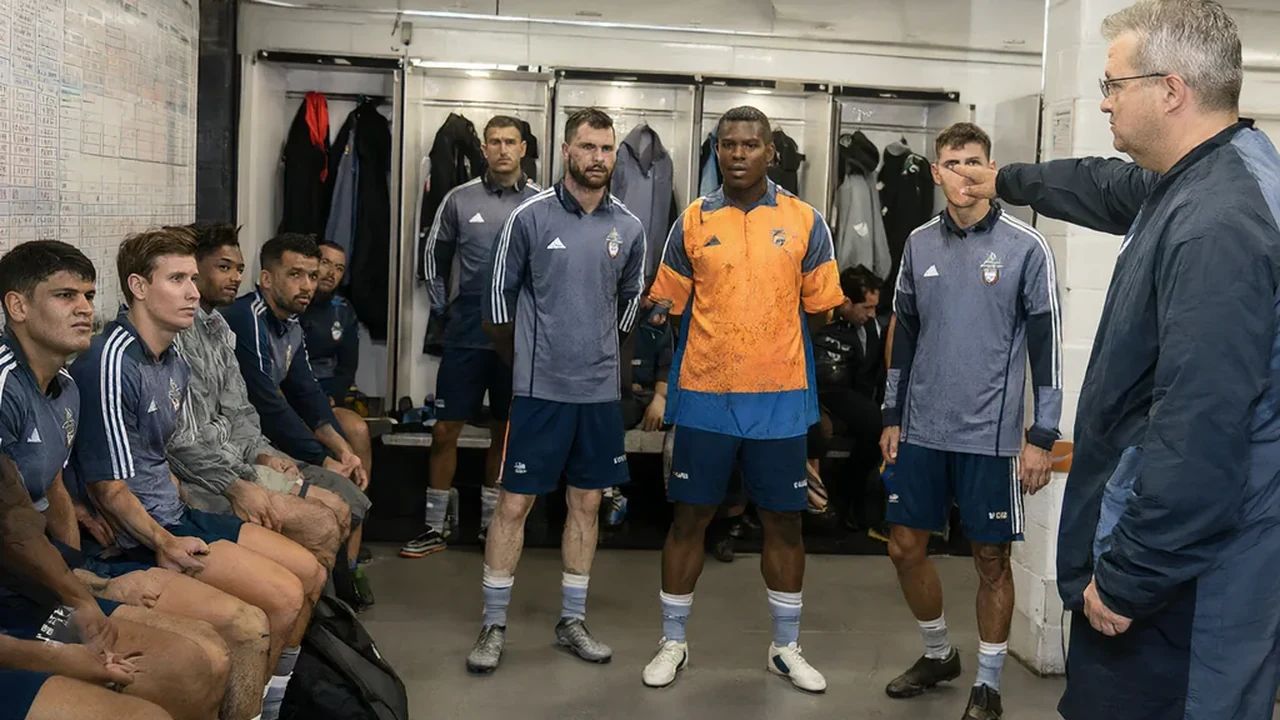
Team news says a player is unavailable, and the natural assumption is injury. Sometimes that is right. Sometimes the reason is that the player is fit, training every day, and simply cannot be named because of a rule about squad lists. That gap between fit and available is one of the least discussed parts of team news, and it produces some of the strangest questions of the season: why a summer signing is missing from a European night, why a third-choice goalkeeper never appears on the bench, why a 20-year-old is preferred to an experienced international.
The answer sits in registration rules. Squads are not open-ended groups of players; they are lists with numbers attached, submitted to a governing body before a deadline and, in some cases, impossible to change until the next transfer window. Understanding those lists turns a confusing absence into an explainable one.
A fit player is not an available player
Availability has three layers. The first is medical: is the player fit to play. The second is registration: is he on the list that allows him to be selected for this competition. The third is selection: does the manager want him in the matchday group. Most team news coverage collapses all three into one word, which is why a fan can watch a player train all week and still not see him at the weekend. When a club says a player is not in the squad without giving a reason, the reason may be registration, and it may never be announced.
The 25-man Premier League list
Premier League clubs submit a squad list after the transfer window closes. The list can contain a maximum of 25 players, and no more than 17 of them may be players who do not qualify as homegrown. Players under the age of 21 do not have to be named, which is why a teenager can appear in the league without taking a place. The list can only be changed during a transfer window, with a narrow exception for emergency goalkeepers. A club that has filled all 25 places and all 17 non-homegrown slots has no route to register another senior foreign player until January, however fit that player is.
Homegrown is a numbers game
Homegrown status is not about nationality. It is about training: a player qualifies if he was registered with an English or Welsh club for three seasons before his 21st birthday, regardless of where he was born. That is why an academy graduate from abroad can count as homegrown and a British player who moved overseas as a teenager may not. The quota of eight homegrown players in a 25-man list is therefore a planning constraint rather than a sentiment. Clubs that run short of qualifying players must leave list places empty, because the rule caps the non-homegrown group at 17 and the total at 25.
Europe is stricter
UEFA competitions add another layer. The A list is limited to 25 players and must include at least eight locally trained players, of whom at least four must have been trained at the club itself. A squad short of club-trained players simply has a smaller A list, and the empty places cannot be filled by more imports. A separate B list allows an unlimited number of players who have been at the club long enough and are young enough, which is how academy players appear in Europe without taking a senior slot.
| Competition | Registered squad | Homegrown requirement | Matchday squad | Substitutes |
|---|---|---|---|---|
| Premier League | 25, including a maximum of 17 non-homegrown | 8 homegrown | 20 | 9 |
| Champions League | 25 on List A, plus List B | 8 locally trained, including 4 club-trained | 23 | 12 |
| Europa League and Conference League | 25 on List A, plus List B | 8 locally trained, including 4 club-trained | 23 | 12 |
The practical consequence is visible every Thursday and Sunday. A player can be on the Premier League list and left off the European A list, which makes him available at the weekend and unavailable in midweek. The reverse also happens: a club-trained youngster takes a European place ahead of a more expensive signing because the quota demands it.
Matchday numbers matter too
Registration gets a player into the competition; the matchday limit gets him into the 20 or the 23. In the Premier League a manager can name 20 players and use nine substitutes, so three members of the 25-man list usually miss out entirely. In UEFA competitions the matchday group is 23 with 12 substitutes, which is more generous but still leaves players in the stands. A third-choice goalkeeper is the classic example: registered, fit, and frequently outside the matchday 20 because the bench places are needed elsewhere.
What this means for team news
When a player is absent without an injury note, the first question should be about lists rather than legs. Was he registered for this competition? Is he on the A list or the B list? Has the club filled its non-homegrown allocation? Those questions explain absences that no amount of training footage can. They also explain why a January signing can play in the league immediately but wait for a European registration window, and why loan rules can make a player ineligible against his parent club.
- Check the competition before the club's injury page.
- Treat not in the squad as a statement about selection, not about fitness.
- Remember that under-21 players do not need a Premier League list place.
- Expect European absences when a club is short of club-trained players.
- Do not assume a missing player is injured when no injury has been announced.
- Look for the club's list announcement after the window closes; it is published, not secret.
Where not confirmed belongs
Clubs rarely explain a list omission in a press conference, and managers often deflect the question with a line about competition for places. If the club has not said why a player is missing, the honest description is that the reason has not been announced. The distinction matters because a registration omission is not a medical issue and should not be reported as one. The verbal signals that do get volunteered are covered in decoding press conferences for team news clues, and the way those signals feed a probable XI is set out in how predicted lineups are actually built.
Related analysis

January Window Squad Planning for Injury Crises
A January signing is often a medical department decision. How squad rules and injury lists shape the winter market.
2026-09-02
Academy Call-Ups: When Injuries Open the Door
A treatment room queue can be a teenager's big chance. How injury crises accelerate careers, with the numbers to prove it.
2026-09-01
How Analysts Turn Team News Into an Edge
The same Friday update is read three different ways by three different professions. What each one is looking for.
2026-08-30
Decoding Press Conferences for Team News Clues
Every Friday briefing carries a code. The phrases managers reuse, and what each one actually signals about the XI.
2026-08-26