
Predicted Lineups Under a New Manager: What Changes
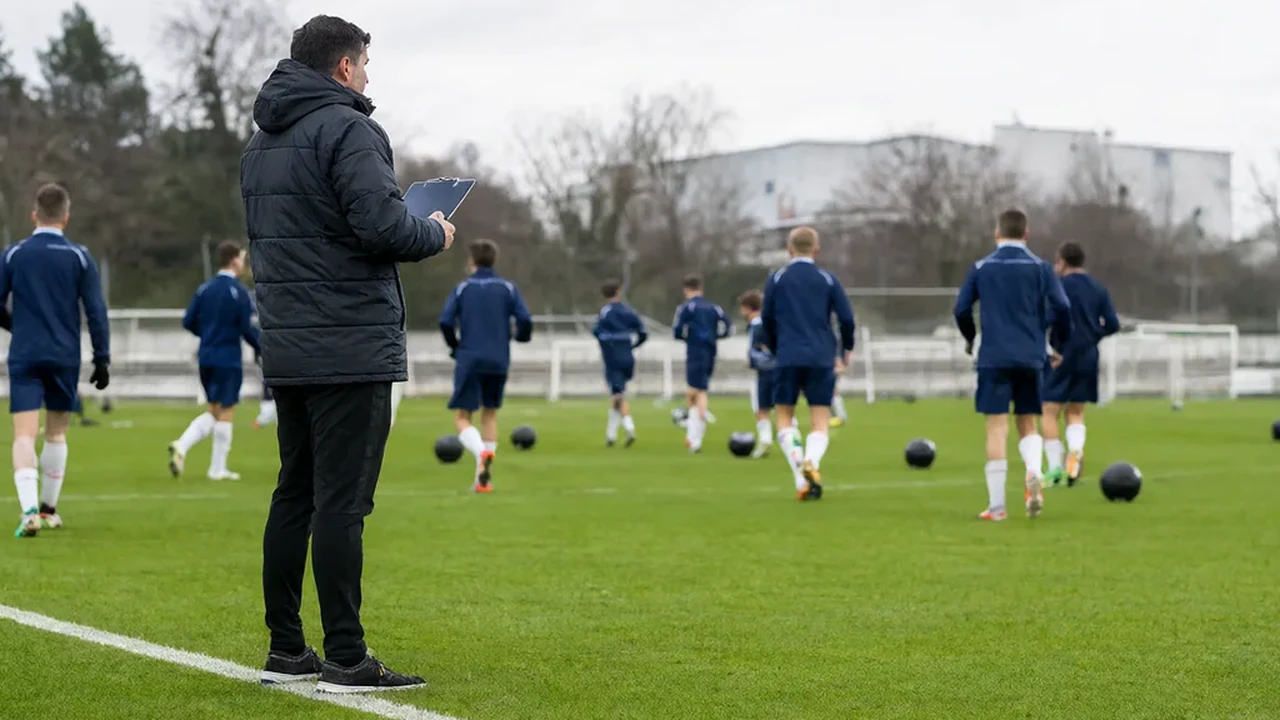
Every predicted lineup is a bet on continuity. You take the last team, adjust for injuries and suspensions, and assume the manager will do what he did last week. Then a club changes coach, and that entire method collapses in one afternoon. The new man has no Premier League sample with these players, the squad was assembled for somebody else's idea, and the first teamsheet is often the least predictable of the season. This is the week when previews get rewritten at 75 minutes before kick-off.
The 2026/27 season makes that problem sharper than usual. The campaign began on 21 August 2026 and the calendar includes a three-week international break in late September and early October, the first of its kind in the Premier League. A coach appointed inside that window gets training time with a depleted group, no competitive match to learn from, and a first fixture against opponents he has barely scouted in person.
Why the old baseline stops working
Under a settled manager, a predicted XI is built from patterns: who starts two games in a row, who comes off at 60 minutes, who plays the cup tie. A new coach inherits none of that authority. He may have watched every match on video, but video tells him what players did in another system, not what they can do in his. Players who were backups become options because the new shape suits them, and players who were automatic starters can find themselves competing for a role that no longer exists. Treat every assumption from the previous regime as a hypothesis, not evidence.
The first press conference is about constraints, not the XI
New managers rarely name a team in their first media appearance, and the questions are usually about philosophy and the club's ambition. What the answers do give you is the list of constraints: who is unavailable, who has trained only twice, whether the squad has had time to work on shape. Listen for the difference between "he has trained all week" and "he has been on the grass", which are not the same statement. A coach who says he has had one session with the full group is telling you that the first XI will be conservative.
Inherited shape or imposed shape
The most common error is assuming the new manager will instantly install his trademark formation. In the first game, most coaches pick the structure the squad already knows and change one or two things: pressing height, the role of the holding midfielder, or which full-back is allowed to advance. Bigger structural changes usually arrive after two or three matches, once he has seen the team play competitively and has had a full week on the training ground. If the new man has a clear historical shape and the squad has nobody who fits one of the roles, expect a compromise rather than a copy of his old team.
The information clock before kick-off
Prediction is a race against information. The table below sets out what becomes public and when, using the standard English and European matchday routine. Reliability rises steeply as kick-off approaches, which is why a lineup posted four days early is mostly entertainment.
| Time before kick-off | What becomes public | Weight for a predicted XI |
|---|---|---|
| 5 to 7 days | Fixture context, travel plan, who was left out of the previous squad | Low on its own |
| 24 to 48 hours | Pre-match press conference: confirmed absences, late fitness tests, tone | Medium |
| 12 to 24 hours | Training ground sightings, who travelled, who trained apart from the group | Medium to high |
| 75 minutes | Confirmed team sheet in the Premier League and UEFA competitions | Certain |
| 0 to 15 minutes | Warm-up changes and late withdrawals | Certain but late |
The 75-minute mark is the one that matters commercially as well as journalistically: it is when the club publishes the XI and the shape becomes a fact rather than a forecast. Anything published before that is analysis, however confidently it is worded.
The three-match sample
By the third game, useful patterns appear: which players complete 90 minutes, which are substituted at the same point every week, and whether the coach trusts a specialist or a utility player in the problem position. Two full matches is roughly 180 minutes, enough to see whether a midfielder is being used as a holder or a runner. One match is not. A single result, especially a heavy defeat, can produce a reaction selection that tells you nothing about the coach's long-term plan.
A practical checklist
- Start from the previous squad list, not the previous XI, and remove confirmed absentees.
- Check who the new coach picked in his last job in the same role, then ask whether this squad has that profile.
- Weight the press conference for availability only, not for tactics.
- Expect one or two changes in the first game, not seven.
- Wait for the 75-minute team sheet before publishing a final XI.
- Log the substitutions at 60 to 70 minutes; they predict the next week's XI better than the starting line-up does.
What not to conclude
A first teamsheet is a snapshot of a coach managing a squad he has known for ten days, not a statement of intent for the season. Players left out are not necessarily out of favour, and a young player given a start is not automatically ahead of a senior option. If a club has not announced the reason for an absence, do not fill the gap with a story: not confirmed is a legitimate and accurate phrase. The mechanics of building a probable XI in normal weeks are covered in how predicted lineups are actually built, and the verbal clues that survive a change of manager are set out in decoding press conferences.
Related analysis
Cup Keepers: How Clubs Plan Goalkeeper Rotation
The only position with a standing rotation agreement. Why second-choice keepers get the cups, and when that rule breaks.
2026-09-01
Late Fitness Tests: What They Really Mean
A late fitness test is a private audition with real stakes. What actually happens on the morning of a match.
2026-08-29
Rotation Risk: When Fixture Congestion Bites
Three games in eight days means somebody sits. How managers choose who rests, and which fixtures always trigger rotation.
2026-08-25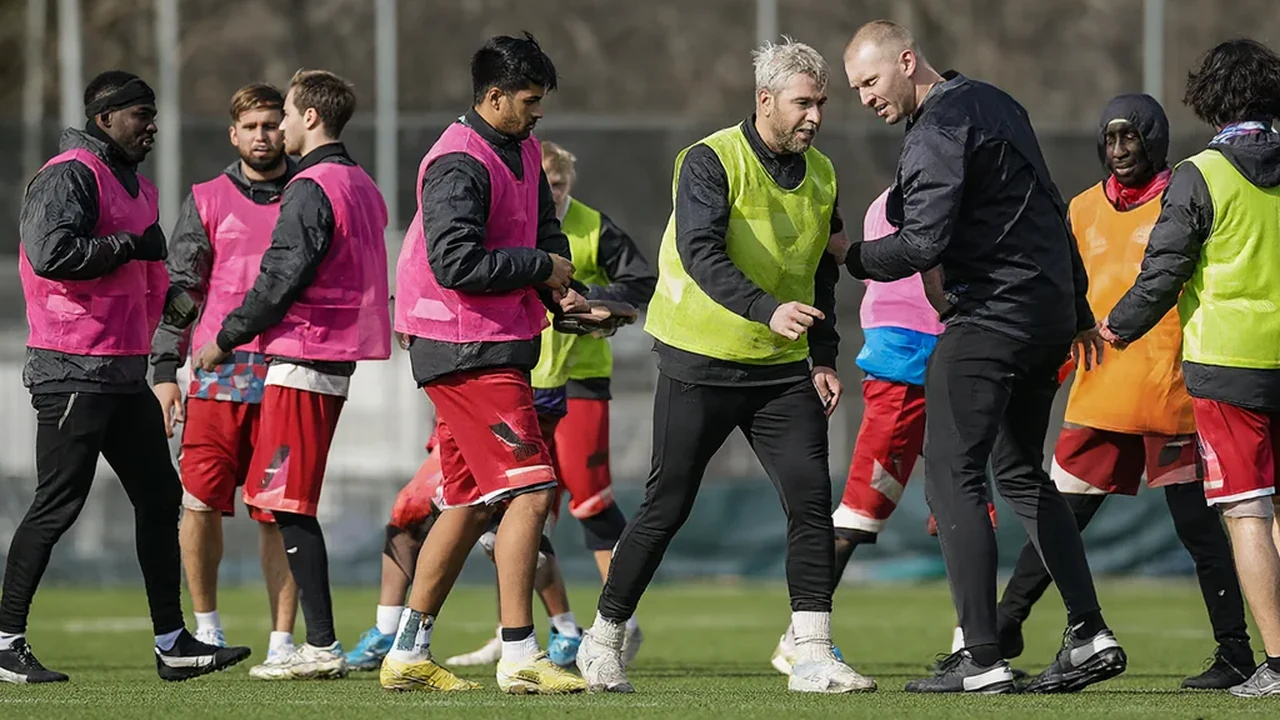
Training Ground Clues Behind Every Predicted XI
Fifteen open minutes of training can confirm a week of guesswork. What reporters actually look for at the training ground.
2026-08-21