
Coming Back Too Early: The Reinjury Trap

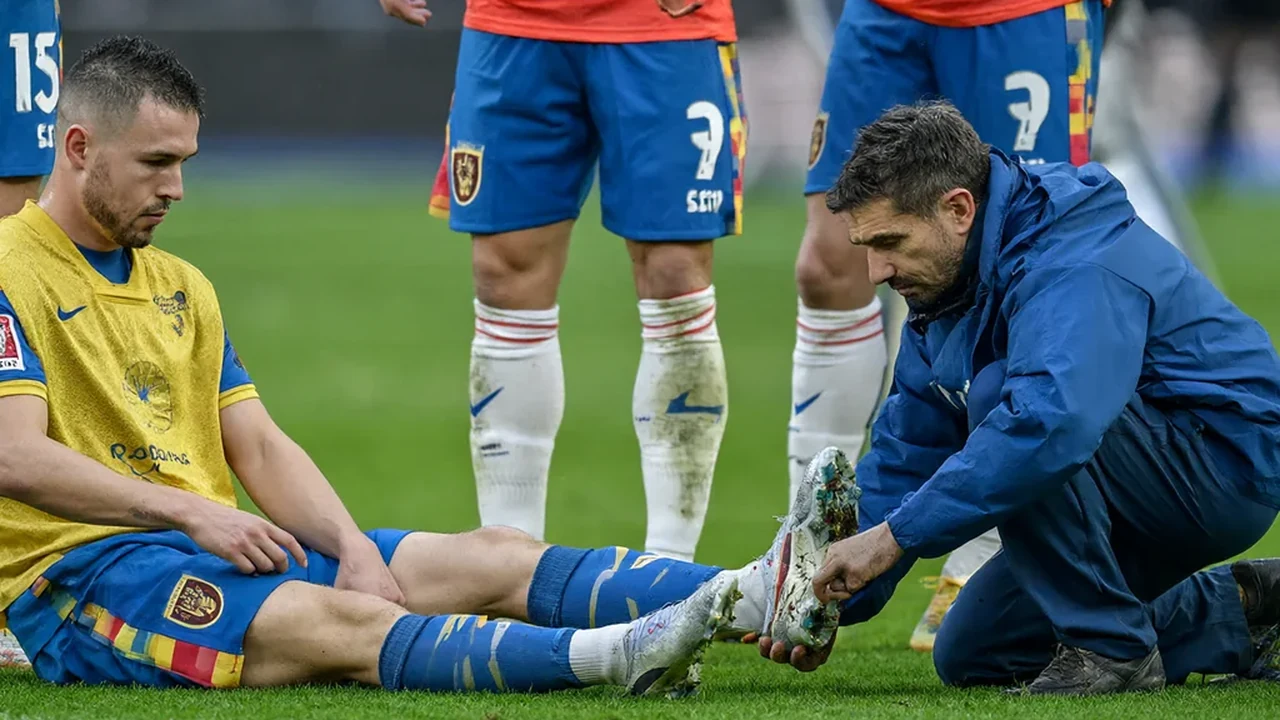
The cruellest injury in football is the same one twice. A player does the rehab, passes the tests, returns to the pitch, and tears the same muscle in the same way within a month. The reinjury trap is the most expensive mistake a medical department can make, and it happens at the best clubs in the world often enough that the pattern is documented, studied and still not solved.
The UEFA elite club injury study has tracked the numbers for two decades: roughly one hamstring injury in eight is a recurrence of an earlier tear in the same season, and the second tear typically costs more weeks than the first. Something in the comeback process keeps failing. The question is what.
The pressure that shortens rehab
Reinjury is rarely a medical mystery. It is usually a calendar decision wearing a medical costume. The pressures that compress a return are the same at every club: a cup final ten days away, a title race with no margin, a striker whose contract year needs goals, a manager whose own job is being measured in the table. Each pressure lands on the one conversation where caution lives, the meeting where the physio says two more weeks and someone asks what one week would cost.
The documented cases read like a warning list. Michael Owen's hamstrings, torn first as a teenager at Liverpool, returned so often that his pace, the entire foundation of his game, was managed rather than unleashed for the rest of his career. Gareth Bale's calf problems at Real Madrid recurred across season after season, each comeback followed by another breakdown within weeks. Ousmane Dembele's early Barcelona years became a cycle of hamstring tears and rushed returns, four major recurrences in three seasons before the pattern finally broke. Different clubs, different doctors, same outcome: the comeback that arrives early leaves early.

The red flags of a rushed return
Reinjury telegraphs itself in the team news if you know the vocabulary.
- A return date that moves forward publicly, announced ahead of the original estimate.
- The player back in full training within days of the first running session.
- A start rather than a bench cameo in the first match back, maximum load immediately.
- Managerial language about needing him, the clearest tell that the calendar is driving the medical call.
- A big fixture circled as the comeback target, chosen by the schedule rather than by the stages.
| Failure factor | What it does | The safeguard |
|---|---|---|
| Scar tissue stiffness | Weak point re-tears under sprint load. | Eccentric strength parity before clearance. |
| Skipped stages | Tissue unprepared for match intensity. | Fixed stage gates, no calendar shortcuts. |
| Immediate full minutes | Fatigue exposes the healing muscle. | Managed minutes: bench, then an hour, then starts. |
| Fixture pressure | Medical timeline bent to the schedule. | Doctor holding the final veto, in writing. |

The psychology of the second tear
Sports medicine has a name for what follows a major muscle injury: kinesiophobia, the fear of movement, and its presence after a recurrence is measurably stronger than after the original tear. The player who has torn the same muscle twice sprints differently. The research on return-to-play biomechanics shows it clearly: reduced peak speed in the first months back, an altered stride that protects the injured side, and a hesitation in the exact late-swing phase where the tear happened. The body is healed and the athlete is not, and the gap between those two facts is where the third injury waits.
The better medical departments now treat the fear as a rehabilitation target in its own right. Graduated exposure, sprint work with video feedback showing the player his own mechanics, and honest conversations about the statistics all form part of the modern protocol. The cruel arithmetic of recurrence means the second comeback is longer than the first even when the tissue heals at the same rate, because trust rebuilds slower than muscle. Clubs that forget this keep paying for it, one repeated tear at a time.
Who pays for the rush
The lesson for anyone reading comeback news is patience by proxy. When a return timeline quietly stretches by a week, that is not a setback; that is the system working as designed, absorbing the risk the schedule wanted to take. The announcements worth worrying about are the ones that move the other way, because in the history of soft-tissue injuries, earlier has almost never meant better.
The bill for a reinjury lands in several places at once. The player loses twice the time and carries the psychological weight of a body he no longer trusts at full sprint. The club loses the points the rushed comeback was supposed to save, plus the extended absence that follows. And the medical staff lose the argument they probably won in the original meeting, overruled by the table. The clubs with the best reinjury records share one habit, visible from the outside: their comeback timelines never move earlier. When you see a return date hold steady under pressure, you are watching the one decision that separates a rehab from a cycle.
Related analysis
Metatarsal Fractures: Football Return Timelines Explained
Avulsion, Jones, shaft and stress fractures heal at different speeds. The absence each usually carries and why dates slip.
2026-10-18
Season-Ending Injuries: Insurance and Squad Cost
A season-ending diagnosis is a sporting blow and a balance sheet event. How clubs price a year on the treatment table.
2026-09-02
Behind-Closed-Doors Friendlies: A Fitness Guide
Before the stadium comes the empty training pitch game nobody reports. How bounce matches bridge rehab and the real thing.
2026-08-31
Hamstring Return Timelines, Week by Week
From ice baths to 95 percent sprint speed: the six-week map a torn hamstring has to travel before team training.
2026-08-24