
Red Card Bans and How the Appeals Process Works

A red card is the only event in football that rewrites three matches at once: the one being played, the ones the player will miss, and occasionally the one the appeal panel reviews in an office days later. The tariff looks simple on paper. One match, two matches, three. The machinery underneath it is anything but.
Getting the tariff right matters for anyone reading team news, because the difference between a one-match and three-match absence changes a month of predicted lineups.
What each offence actually costs
The English system prices dismissals by offence. A second yellow card, or a professional foul denying an obvious goal-scoring opportunity, brings a one-match ban. Serious foul play, the dangerous tackle, and violent conduct each carry three matches. Spitting is the outlier at six. Use of offensive or abusive language sits at two. The bans are served in domestic competition, league or cup, whichever comes next in the calendar.
The detail that surprises people is the escalation clause. Repeat offenders in the same season can have matches added on top of the standard tariff, and a player dismissed twice in a campaign faces longer suspensions for each subsequent red. The system remembers, which is why clubs track disciplinary records with the same care as injury lists.

How an appeal actually works
A club can lodge a claim of wrongful dismissal with the Football Association, and the deadline is tight, effectively the first working days after the match. An independent regulatory commission reviews the video and the referee's report, and the bar is high: the panel must find an obvious error, not merely a different opinion. The stakes cut both ways, because a claim judged frivolous, lodged with no genuine prospect of success, can add an extra match to the ban as punishment for wasting the panel's time.
The most instructive modern case is Son Heung-min's dismissal against Everton in November 2019. His tackle from behind led to Andre Gomes suffering a horrific ankle fracture after colliding with Serge Aurier, and referee Martin Atkinson showed red. The FA rescinded the card on appeal, accepting that the tackle, while a foul, was not the reckless or dangerous act that caused the catastrophic outcome. The case is now the standard reference for the difference between an unfortunate result and a genuinely dangerous challenge.
| Offence | Standard ban | Appeal prospects |
|---|---|---|
| Second yellow card | 1 match | Almost never appealable. |
| Denying a goal-scoring chance | 1 match | Winnable if the covering defender was close. |
| Serious foul play | 3 matches | Needs proof of obvious refereeing error. |
| Violent conduct | 3 matches | The Son precedent: outcome alone is not enough. |
| Spitting | 6 matches | Rarely contested, heavily punished. |

Inside the hearing itself
The regulatory commission that decides a wrongful dismissal claim is three people in a room with a screen: typically an independent chair with legal training and two members with football backgrounds. The club submits video angles and a written argument, the referee submits his report, and the panel answers one narrow question: was the decision obviously wrong. Not debatable, not probably harsh. Obviously wrong. That phrasing is why most claims fail, and why clubs consult their analysts before lodging, because a failed claim wastes the one shot and a frivolous one costs an extra match.
The panels weigh a consistent set of factors:
- The point of contact: whether the tackle reached the man, the ball, or both.
- The speed and force involved, judged from multiple angles rather than the broadcast replay alone.
- The player's control of his own body through the challenge.
- What followed the contact, because an awful outcome does not prove an awful challenge.
- The referee's sightline, and whether he saw the incident clearly in real time.
Written reasons follow within days, and they make genuinely interesting reading, because they show how the sport talks to itself about its own laws when the crowd has gone home.
Reading red cards in the team news cycle
The practical sequence for a follower of team news runs like this. Note the offence type on Saturday, pencil in the standard tariff, then watch the club's Monday and Tuesday statements for the word appeal. If a claim is lodged, the commission usually rules before the next fixture, and until it does, the player stays out of every predicted lineup as a default. A successful appeal is the single fastest roster reversal in the sport: out for three matches on Sunday morning, available by Wednesday night. That is why the smart team news trackers never finalise a predicted XI until the disciplinary window closes.
Related analysis
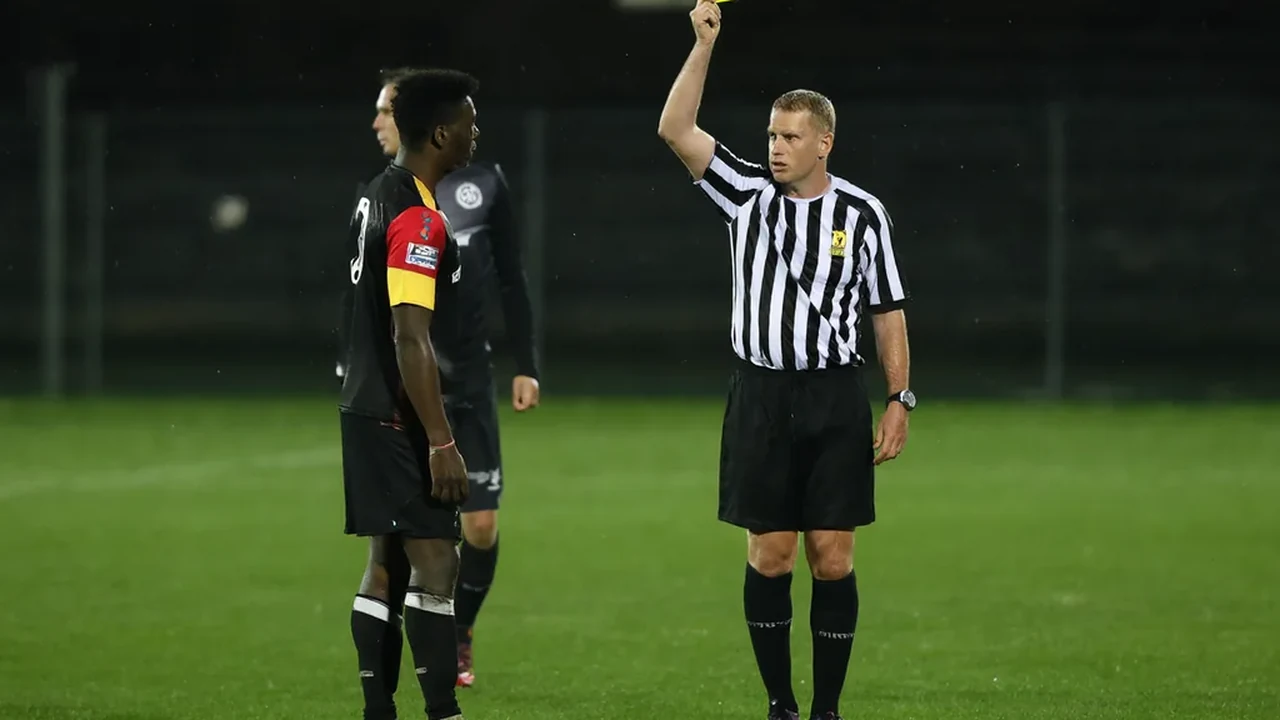
Do Yellow Cards Carry Over? Football Suspension Rules
Cards belong to the competition they were shown in. How the records work, where bans are served and when they are wiped.
2026-10-18
Touchline Bans: When Managers Get Suspended
The manager can watch from the stands but the phone lines are restricted. What a touchline ban actually forbids.
2026-09-01
Retrospective Bans for Diving and Violent Conduct
Getting away with it on Saturday no longer means getting away with it. How retrospective action really works.
2026-08-30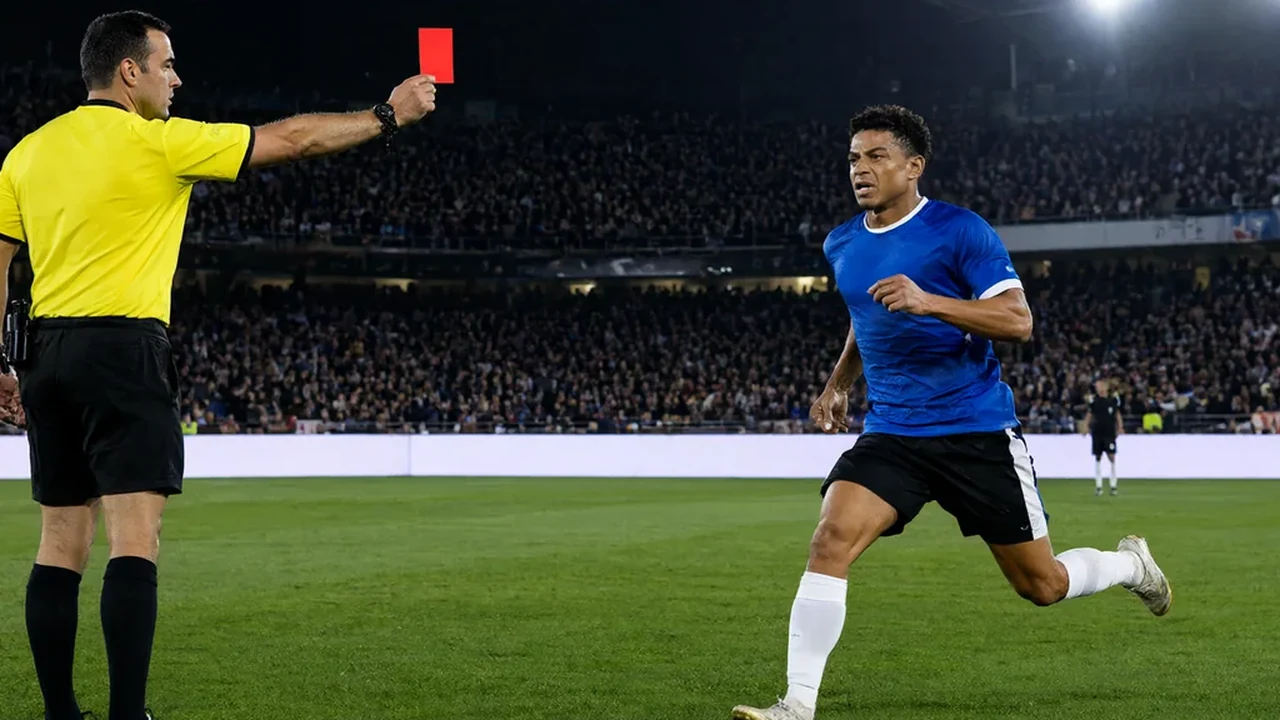
UEFA Suspension Rules on European Nights
European yellow cards follow different maths. Three bookings, not five, and a wipe that arrives too late for some.
2026-08-26