
UEFA Suspension Rules on European Nights

Three yellow cards, not five. A count that resets mid-knockout, not mid-season. A ban that can cost a player a Champions League semi-final for a foul he committed in September. European suspension rules run on different mathematics from the domestic game, and every spring they produce the same heartbreak somewhere: a star sitting in the stands for the biggest night of his season.
UEFA's disciplinary code governs the Champions League, Europa League and Conference League with its own thresholds and its own calendar of amnesties. Here is the version that matters when the anthem plays.
The three-booking rule and the rolling count
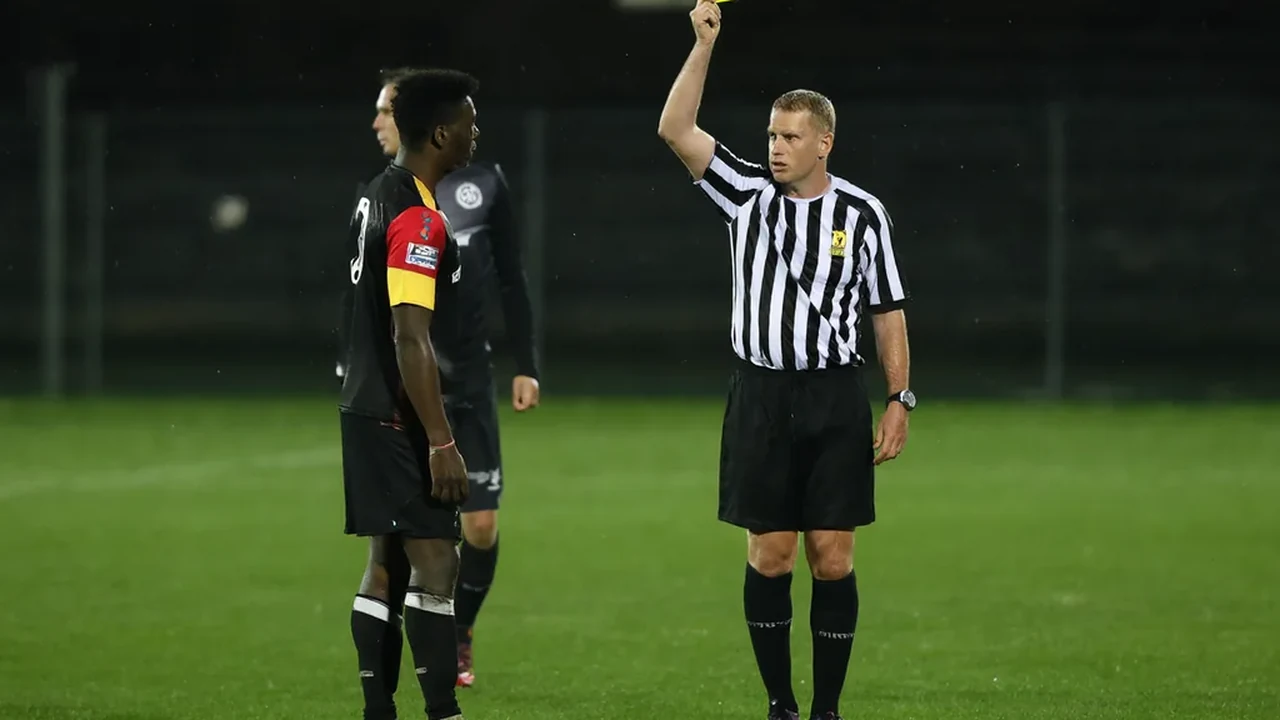
In UEFA competition, a player is suspended for one match after accumulating three yellow cards, and then again for every subsequent odd number: five, seven, nine. The count spans the entire European campaign, group stage through to the final, which means a booking picked up in an autumn group game is still sitting on the ledger when the knockouts arrive in February. There is no domestic-style cut-off after a fixed number of matchdays, only one amnesty, and it comes late.
That single amnesty is the rule everyone remembers in April. All yellow cards are wiped after the quarter-finals, so players start the semi-finals with a clean slate for accumulation purposes. UEFA introduced the wipe specifically to stop players missing finals through accumulated bookings, the problem that had scarred earlier eras. A red card, of course, is untouched by the amnesty: a dismissal in a quarter-final still costs the semi.

The ghosts the wipe was built to banish
The rulebook carries the memory of its worst nights. The 1999 Champions League final, Manchester United's treble miracle, was played without Roy Keane and Paul Scholes, both suspended through accumulation after the semi-final in Turin. The 2012 final was worse: Chelsea lost John Terry to a red card in the semi at the Camp Nou and then watched Branislav Ivanovic, Ramires and Raul Meireles ruled out through yellow card accumulation, while Bayern Munich lost David Alaba, Holger Badstuber and Luiz Gustavo the same way. Seven players suspended for one final, and the sport finally decided the mathematics had to change.
| Trigger | Consequence | Notes |
|---|---|---|
| 3 yellow cards | 1-match ban | Count runs from the group stage onward. |
| 5, 7, 9 yellows | 1-match ban each | Every subsequent odd total triggers again. |
| After quarter-finals | Count wiped | Amnesty protects the semi and final. |
| Red card | Minimum 1 match | Control and Disciplinary Body can extend it. |
| Semi-final yellow | No final risk | Post-wipe, accumulation cannot reach the final. |

The disciplinary body behind the curtain
UEFA's Control, Ethics and Disciplinary Body sits in judgment on everything the referee's report flags: red cards, crowd incidents, and the conduct of clubs themselves. Its powers run well beyond the automatic one-match ban. A dismissal for serious foul play can be extended to two or three European matches, violent conduct further still, and the body publishes its decisions in written form that clubs study for precedent the way lawyers study case law.
The code carries quirks that catch newcomers to European football:
- Team misconduct is punishable too: five or more cards for one side in a match brings a fine for the club.
- Bans follow the player across European competitions if his club drops from one tournament into another.
- Appeals go to the confederation's own Appeals Body, not to any national association.
- Suspended players are barred from the bench and the tunnel, not merely the pitch.
- The ledger resets only at the quarter-final amnesty and at the end of the campaign.
For the supporter reading team news in February, the practical takeaway stays simple. The European count is stricter than the domestic one, the memory of it lasts all season, and the players on two yellows are listed in the analyst's room long before they are discussed anywhere else.
How clubs manage the European ledger
Coaches track the count as carefully as the physio room. The classic manoeuvre arrives in the final group game of a settled group: players sitting on two yellows are either rested entirely or, in football's oldest open secret, occasionally pick up a calculated third booking in a dead rubber to serve the ban before the knockouts reset nothing but clear their name. The authorities have sanctioned deliberate booking-hunting when proven, which is why the modern version is usually just a quiet night off. For anyone reading team news in February, the checklist is simple. Two yellows on the ledger means the player is one mistimed tackle from missing the second leg, and the manager knows it before you do.
Related analysis
Do Yellow Cards Carry Over? Football Suspension Rules
Cards belong to the competition they were shown in. How the records work, where bans are served and when they are wiped.
2026-10-18
Touchline Bans: When Managers Get Suspended
The manager can watch from the stands but the phone lines are restricted. What a touchline ban actually forbids.
2026-09-01
Retrospective Bans for Diving and Violent Conduct
Getting away with it on Saturday no longer means getting away with it. How retrospective action really works.
2026-08-30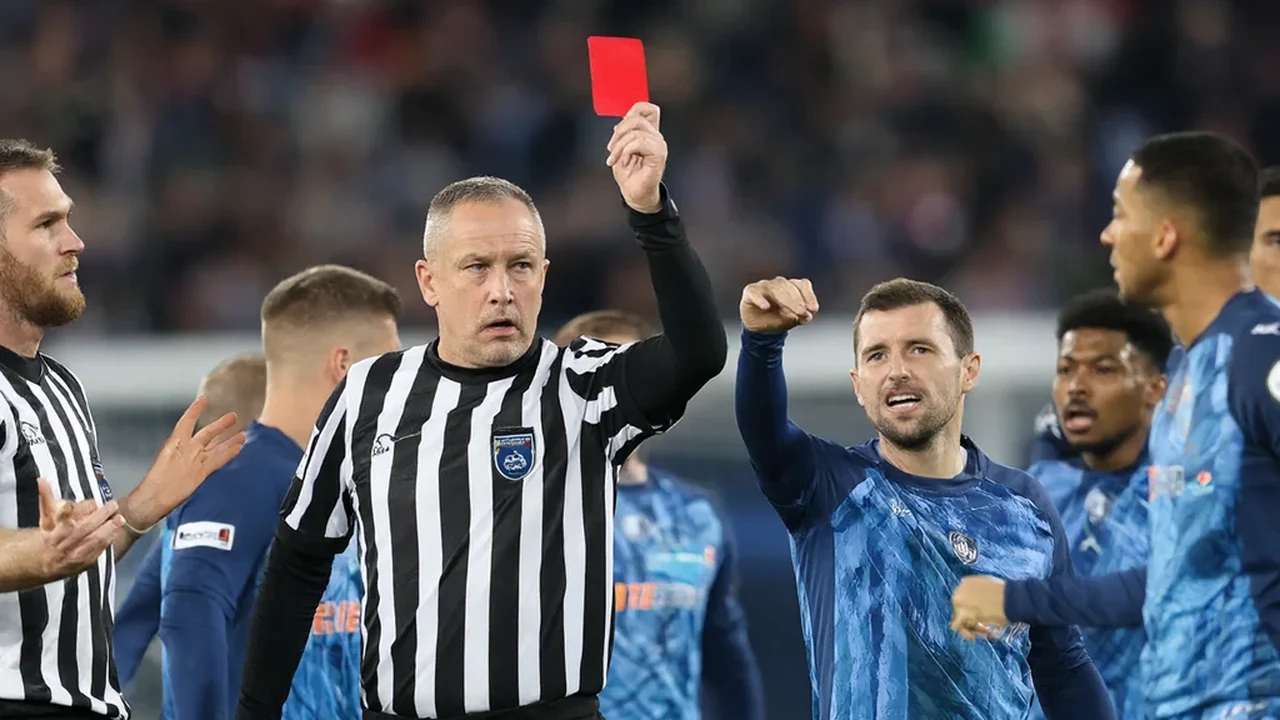
Red Card Bans and How the Appeals Process Works
A straight red is not always three games. The tariff, the appeal window, and the famous rescinded reds.
2026-08-22