Concussion Protocol: Football Head Injury Rules

On 14 October 2006, thirty seconds into a match at the Madejski Stadium, Reading midfielder Stephen Hunt's knee met Petr Cech's skull. The Chelsea goalkeeper was stretchered off with a depressed fracture, underwent emergency surgery, and returned three months later wearing the headguard that became part of his identity for the rest of his career. Football's attitude to head injuries changed that afternoon, even if the rules took another fifteen years to catch up.
The modern concussion protocol is the product of that long catch-up. It is stricter than anything the sport had in Cech's era, and stricter than many supporters realise when they shout at a player to get up.
What the protocol demands today
Any suspected head injury triggers an immediate on-pitch assessment by the club doctor, guided by a short set of recognition questions known as the Maddocks questions: what ground are we at, which half is it, who scored last, what was the score. Wrong answers, or any visible sign like unsteady balance or a vacant stare, end the player's afternoon on the spot. The governing principle is written into every league's guidance. If in doubt, sit them out.
The decisive rule change arrived in February 2021, when the Premier League became the first major competition to adopt permanent concussion substitutes under an IFAB trial. A team can now replace a player with a suspected concussion without using one of its five normal changes, and the substituted player cannot return. The incentive structure flipped overnight: removing a player no longer costs the team anything, so the medical call got easier to make honestly.

The signs that force a substitution
Doctors are trained to look for a specific set of red flags, and any one of them overrides the player's own insistence on continuing.
- Loss of consciousness, even for a second, means automatic removal.
- Balance problems or unsteady walking after the collision.
- A blank or dazed expression when the doctor arrives.
- Confused answers to the Maddocks questions.
- Visible video signs: the player lying motionless or clutching the head after impact.
The Raul Jimenez case showed the system working under maximum pressure. In November 2020 the Wolves striker clashed heads with David Luiz against Arsenal, suffered a skull fracture, and was given oxygen on the pitch for ten minutes before surgery that night. He returned eight months later wearing protective headgear, and both clubs' medical teams were praised for the speed of the response.
| Step | What happens | Who decides |
|---|---|---|
| On-pitch check | Maddocks questions and visible-sign screening. | Club doctor, on the field. |
| Removal | Any red flag ends the player's match immediately. | Doctor, with no appeal. |
| Substitution | Permanent concussion substitute, outside the normal five. | Fourth official records it. |
| Quiet room | Full assessment away from the bench within the hour. | Medical team. |
| Return pathway | Graduated six-stage programme over at least a week. | Doctor signs off each stage. |

The graduated return, stage by stage
Once concussion is confirmed, the way back runs through a six-stage programme drawn from the international consensus on concussion in sport. Each stage lasts a minimum of twenty-four hours, and any return of symptoms sends the player back a stage. The ladder moves from complete rest through light aerobic exercise, then sport-specific drills, then non-contact training, full-contact training, and finally clearance to play. Do the maths and the fastest possible return is about a week, and most take longer.
That fixed ladder explains the distinctive phrasing clubs use. A player in the protocol is not injured in the negotiable sense; he is on a conveyor belt with set stations, and no manager can pull him off it early for a big fixture. The concussion substitute rule and the graduated return together form the sport's admission of what it got wrong for a century: the head is not an ankle, and the old culture of running it off cost players dearly. Cech wore his headguard for the rest of his career as a visible reminder. The protocol is the invisible one.
Why this matters for team news readers
The direction of travel is still tightening. Temporary concussion substitutes, trialled in other sports to allow a proper ten-minute assessment off the pitch, remain under discussion in football, and the unions representing players keep pushing for them. Whatever comes next will build on the same foundation the last two decades established: the head gets its own rules, its own substitutes, and its own timeline, and no fixture is important enough to override any of them.
A concussion diagnosis now carries a mandatory graduated return, so a player removed under the protocol is automatically doubtful for the following weekend regardless of how mild the knock looked. That is why Friday updates phrase it so carefully: he is going through the protocol is a medical statement with a fixed minimum timeline, not a vague excuse. When you read those words, pencil the player out of the probable XI and wait for the clearance.
Related analysis
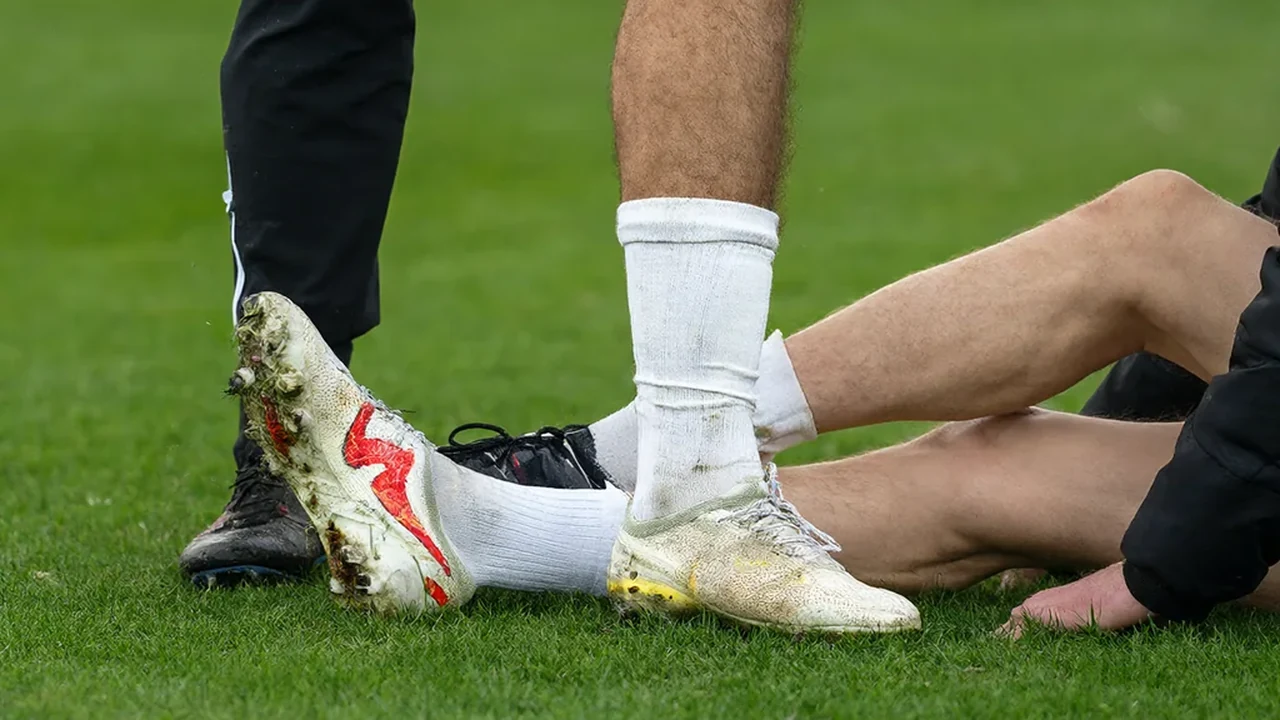
Ankle Sprains in Football: Grades and Return Timelines
What grade 1, 2 and 3 ankle sprains mean, the weeks attached to each and why the same ankle keeps rolling.
2026-10-18
Injury round-up: what clubs said after the October break
Six clubs, one weekend, and very few return dates: what the October injury updates actually said.
2026-10-18
How to read club injury statements
A practical decoder for the phrases clubs use, from out for weeks to no timescale at all.
2026-10-18
FPL flags and chance of playing explained
Yellow, orange, red: how FPL percentages are set and what to do with a 25 per cent flag.
2026-10-18