
How Injury News Reshapes a Matchday Squad

A Friday press conference lasts eleven minutes, and somewhere inside it a manager says the words that move three players out of position by Saturday afternoon. One strained hamstring in training does not simply remove a name from the teamsheet. It shifts a full-back inside, pulls a winger back to defend, shortens the bench and hands a nineteen-year-old his first matchday in a senior squad.
That ripple effect is why injury news has become its own genre of football coverage. Supporters who once waited for the teamsheet an hour before kick-off now track scans, grades and fitness races all week. Understanding what one absence actually changes is the first step to reading any of it properly.
One absence, three tactical problems
Coaches plan a week around an eleven, not around eleven individuals. When Newcastle United lost Sven Botman for long stretches of the 2023-24 season, the issue was never just a missing centre-back. His absence moved Dan Burn from left-back into the middle, which then exposed the flank he had vacated, which then changed how high the whole defensive line could hold. A single medical update rewrote the entire shape.
The same logic runs down the spine of any team. Lose the holding midfielder and the pressing triggers change, because the replacement covers different ground. Lose the first-choice penalty taker and set-piece routines are reassigned by Friday afternoon. Analysts inside clubs model this as a chain: starter, like-for-like deputy, tactical reshuffle. The third option is always the most disruptive, and it is the one a short injury update never mentions.

The status tags, decoded
Clubs and the reporters who cover them use a small vocabulary of status tags, and each one carries a precise meaning for the probable XI. The problem is that the same word means different things at different clubs. One manager calls a player a doubt when he has already been ruled out internally; another uses the same word for a player who trained fully on Thursday. The table below is the working translation most analysts use.
| Tag | What it means | Effect on the probable XI |
|---|---|---|
| Out | Ruled out by the club, usually with a timeframe. | Removed from the eleven and the bench. |
| Doubt | Faces a late fitness test, decision on matchday. | Kept in the projected XI with a deputy flagged. |
| Race | Recovery is on schedule but not confirmed. | Pencilled in, minutes likely managed. |
| Scan | Awaiting imaging results, no prognosis yet. | Treated as out until the grade is known. |
| Available | Trained fully, cleared by the medical staff. | Back in contention, not guaranteed to start. |
What changes beyond the starting eleven
The eleven is only the visible part. A single absence travels further into the matchday plan than most coverage admits.
- Set pieces get reassigned, because delivery and aerial targets are tied to specific names.
- The captaincy moves, and with it who talks to the referee during flashpoints.
- The bench loses its first change, so the manager's Plan B for the final half hour changes too.
- A youth player travels as cover, which empties the under-21 side playing the same weekend.
- Training loads are rebalanced midweek, because the replacement has not banked the same minutes.

The bench mathematics nobody quotes
The Premier League has allowed nine named substitutes since the 2022-23 season, and that single rule change reshaped how clubs absorb absences. A full-strength squad fills the bench with experience: a second goalkeeper, a utility defender, a changing-the-game winger. Strip three seniors out through the treatment room and the same bench becomes a development programme, with two under-21 players filling seats that exist only because someone else is on a massage table.
Watch the benches over a congested month and the injury story tells itself without a single club statement. A bench with three teenagers on it is a squad at the edge of its depth. A bench with two senior internationals unused is a manager holding cards for the next fixture. The teamsheet an hour before kick-off is the final page of a story the bench has been telling all week.
Reading the week like an analyst
The rhythm never changes. Monday brings the first informal word from the treatment room. Wednesday is when scans settle grades and timeframes. Friday delivers the public version at the press conference, and Saturday morning answers the last fitness test. Supporters who follow that rhythm stop being surprised by teamsheets, because the real update rarely arrives at kick-off. It arrives in pieces, five days earlier, one vague sentence at a time.
The skill is not finding more information. It is weighing each piece correctly and knowing that a manager's doubt is sometimes a decision already made.
Related analysis
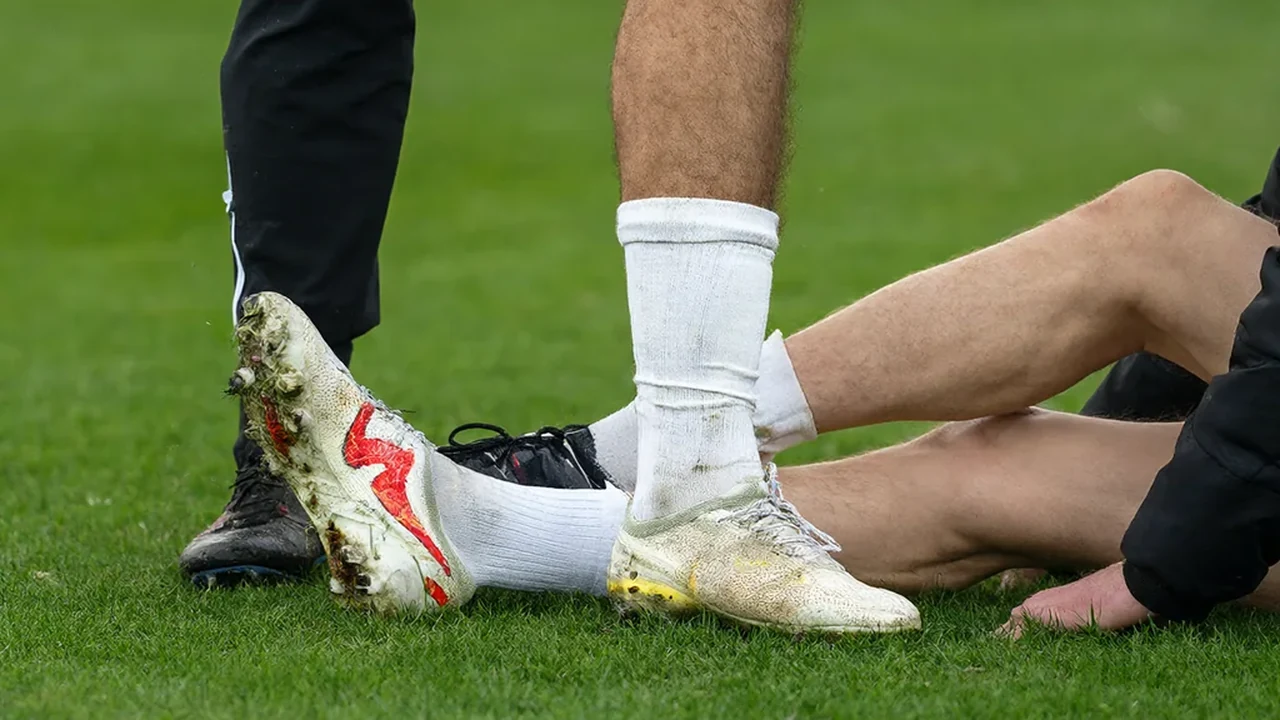
Ankle Sprains in Football: Grades and Return Timelines
What grade 1, 2 and 3 ankle sprains mean, the weeks attached to each and why the same ankle keeps rolling.
2026-10-18
Injury round-up: what clubs said after the October break
Six clubs, one weekend, and very few return dates: what the October injury updates actually said.
2026-10-18
How to read club injury statements
A practical decoder for the phrases clubs use, from out for weeks to no timescale at all.
2026-10-18
FPL flags and chance of playing explained
Yellow, orange, red: how FPL percentages are set and what to do with a 25 per cent flag.
2026-10-18