
International Break Injuries: The FIFA Virus

Ten days, two matches on different continents, and one long flight home. Every club doctor in Europe knows what the international break can bring back through the door, and they have a name for it: the FIFA virus, the injury a player did not have when he left. It is gallows humour with a medical file attached.
The frustration is structural. FIFA regulations oblige clubs to release players for designated windows, the national team controls training and minutes while they are away, and the club pays the wages whatever happens next. The international break is the only period of the season where an employer lends its most valuable assets to someone else and accepts the risk.
Why the risk is real, not imagined
The injury pattern after breaks is consistent enough that sports scientists have studied it directly. Players travel long distances, sleep in hotels, train under a different load philosophy, and play competitive internationals with national pride at stake. A forward who was managed carefully for six weeks at his club might play 180 minutes in four days for his country. Hamstrings and groins pay for the whiplash in workload.
The timing makes it worse. The September window lands four games into a new season, just as players are reaching match sharpness. The November break arrives in the densest part of the club calendar. Managers have learned to dread both, and the Friday press conference after a break has become the most closely watched injury briefing of the month, the moment the damage report goes public.

The compensation nobody calls generous
FIFA runs the Club Protection Programme, an insurance scheme that does pay clubs when a player is injured on senior international duty. The cover compensates salary costs during the absence, up to a ceiling of 7.5 million euros per player per accident, and it can run for up to 365 days. It is real money, but for a star earning eight figures a season it covers a fraction of the true cost, and nothing at all for the points dropped while he recovers.
Clubs have responded by building their own defences rather than relying on Zurich. The modern toolkit looks like this.
- Charter flights and sleep protocols agreed with national associations for long-haul players.
- GPS and wellness data shared between club and country medical teams, where relations allow.
- Informal minutes agreements for players carrying knocks, negotiated manager to manager.
- Recovery sessions booked for the day the squad returns, before the next club match is even discussed.
- Rotation plans drawn up in advance for the weekend immediately after each window.
| Window | Where it lands | Typical risk pattern |
|---|---|---|
| September | Four games into the season | Sharpness gaps: club rhythms broken early. |
| October | Congestion beginning | Muscle strains as minutes stack up. |
| November | Densest club period | Fatigue injuries before the winter run. |
| March | Season run-in | The cruelest timing: injuries with trophies at stake. |

The club-country cold war
Beneath the formal cooperation sits a permanent low-grade tension. Clubs argue that national associations borrow their players, their wage bill and their medical risk, and return them broken. National teams answer that the international game is the pinnacle and that clubs hoard the players the country developed. The argument surfaces every window in small ways: a federation announcing a squad before the club agrees the release, a manager complaining publicly about minutes, a star withdrawn with a knock that suspiciously heals by the following weekend.
The smartest clubs have stopped fighting the calendar and started managing it. Data-sharing agreements now run between top clubs and several national associations, with GPS loads and wellness scores exchanged daily during camps. Some clubs negotiate individual minutes plans for veterans before the squad even departs. None of it is written into FIFA's rules, and all of it matters more than the rules, because the FIFA virus is not really bad luck. It is a workload handover, and handovers can be managed by people who talk to each other.
What to watch when the break ends
The supporter watching at home has a simpler version of the same checklist. Note which starters played both internationals, which ones crossed an ocean to do it, and which names were absent from the first training gallery back. Then wait for Friday, when the manager stands up and translates the medical room into public language. The FIFA virus always announces itself in the end. It just prefers to do so two days before kick-off.
The tell is in the first training gallery after the squad reconvenes. Who is missing from the group photo, who is on a separate programme with a physio, and who the manager names as assessed at Friday's briefing. The FIFA virus rarely announces itself during the internationals. It announces itself at 1.30pm on a Friday, two days before the league resumes, and the smart reader of team news has already checked the minutes every starter logged abroad.
Related analysis
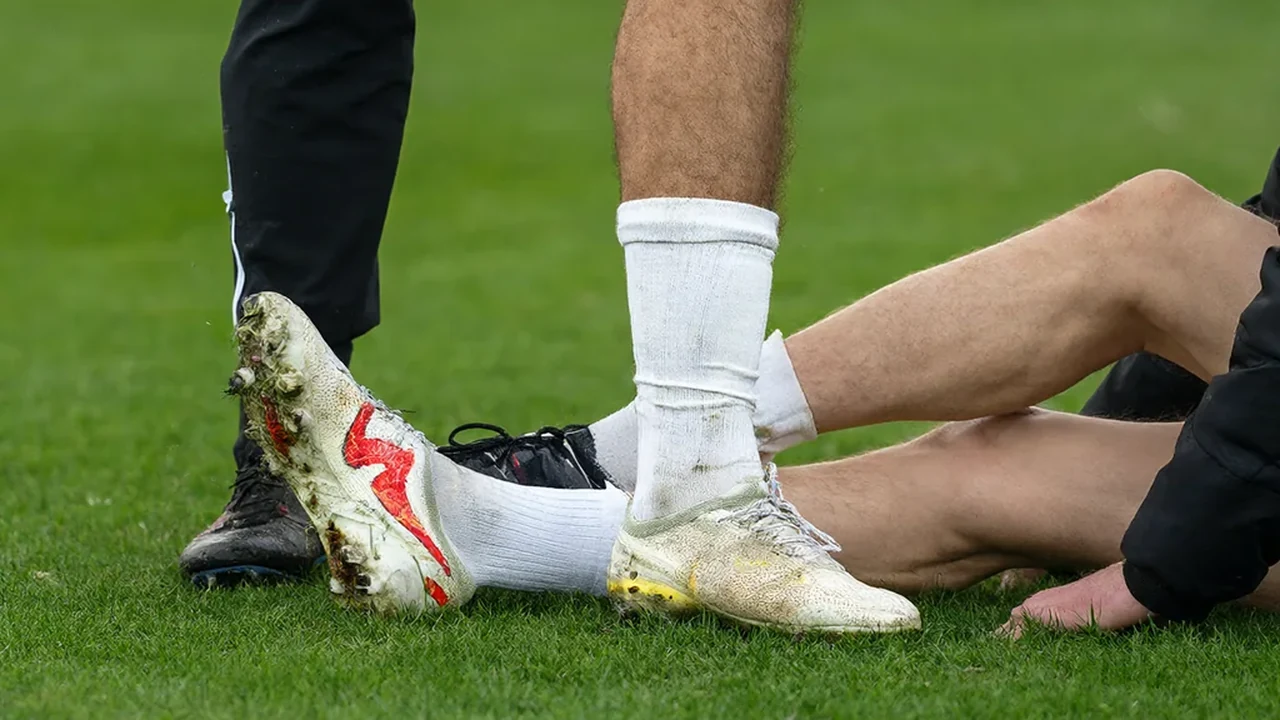
Ankle Sprains in Football: Grades and Return Timelines
What grade 1, 2 and 3 ankle sprains mean, the weeks attached to each and why the same ankle keeps rolling.
2026-10-18
Injury round-up: what clubs said after the October break
Six clubs, one weekend, and very few return dates: what the October injury updates actually said.
2026-10-18
How to read club injury statements
A practical decoder for the phrases clubs use, from out for weeks to no timescale at all.
2026-10-18
FPL flags and chance of playing explained
Yellow, orange, red: how FPL percentages are set and what to do with a 25 per cent flag.
2026-10-18