
Late Fitness Tests: What They Really Mean

He will have a late fitness test. Six words that appear in Friday press conferences every single week, and six words that mean far more than they say. Behind them sits a structured medical process, a tactical decision, and occasionally a bit of theatre aimed at the opposition dugout.
A late fitness test is exactly what it sounds like: a final examination, usually on the morning of the match, that decides whether an injured player can take part. What it actually involves, and why managers lean on it so often, is worth unpacking properly.
What happens on the morning of the test
The routine is standard across elite clubs. The player reports early, hours before the rest of the squad, and works through a graduated series of movements with the physio who has managed the injury all week. It starts with a jog, builds to accelerations at increasing percentages of full speed, then adds the sport-specific stresses: cutting, jumping, striking a ball at full force. Between each stage the physio checks the one thing that matters most, the pain response during and immediately after the effort.
The decision framework is simple in theory. If the player completes full-speed work without symptoms, he passes. If anything shows up, the conversation shifts from medical to tactical, because a player at 85 percent is a judgement call, not a measurement. The manager, the doctor and the player each hold a veto in that conversation, and the cases that go wrong usually involve one of the three being overruled.

Why managers leave the decision so late
The delay is rarely just medical caution. There are three tactical reasons to keep a doubt alive until the last moment.
- It forces the opposition to prepare for two different elevens, doubling their analysis work.
- It protects the injured player from being targeted in the warm-up gossip mill.
- It keeps the replacement honest in training, because he cannot switch off mentally until the call is made.
- It preserves bargaining room if the player improves faster than expected overnight.
The cost of the theatre is real, though. A deputy who learns he is starting ninety minutes before kick-off prepares differently from one told on Thursday, and sports psychologists have strong opinions about which version performs better. The best managers pass the test result to the deputy first, before anyone outside the room hears it.
| Stage | What is measured | Pass mark |
|---|---|---|
| Warm-up jog | Baseline pain and stiffness response. | No reaction at low intensity. |
| Progressive sprints | Acceleration at 70, 85 and 95 percent. | Full speed without compensation. |
| Change of direction | Cutting and deceleration load. | Symmetrical movement, no guarding. |
| Skill work | Kicking, jumping, contact simulation. | Match-specific actions pain-free. |
| Recovery check | Response in the hour after testing. | No delayed reaction or swelling. |

The warm-up twist nobody plans for
There is one fitness test even later than the morning session: the warm-up itself, half an hour before kick-off, in front of the cameras. Players break down in warm-ups every season, and the rules have a clause for exactly this moment. A player named in the starting eleven who is injured during the warm-up can be replaced by one of the named substitutes, the opposition is informed, and the teamsheet is amended before kick-off. The substitute who thought he had a watching brief is suddenly starting a Premier League match on three minutes of notice.
The scenario is the purest test of a squad's mental preparation. Managers drill their benches on readiness precisely because of it: every substitute is told to warm up as if starting, because once or twice a season the call comes with the stadium already full. For the follower of team news, the warm-up amendment is the final data point of the week, the moment a settled prediction collapses. It is also a reminder of the article's whole theme. A late fitness test decides availability on the evidence of a morning. The warm-up can overrule everything with one wrong step.
How to read it as a follower of team news
The vocabulary around the test has its own tells for close readers. A club that names the body part in the update is usually confident in the timeline; vagueness about the injury itself often signals uncertainty. And when two players face tests for the same position, the manager has already decided his order of preference, and the medical morning is really only grading the first choice.
When a manager announces a late fitness test on Friday, the probabilities are roughly even, and the smart move is to pencil in the deputy while keeping the starter's name in pencil too. The follow-up signal arrives on matchday morning: clubs that brief the player has travelled with the squad are leaning positive, because failed tests usually mean the player stays home entirely. And when the teamsheet drops an hour before kick-off, the test's answer is finally public. Everything before that is negotiation between a hamstring, a doctor and a dugout.
Related analysis
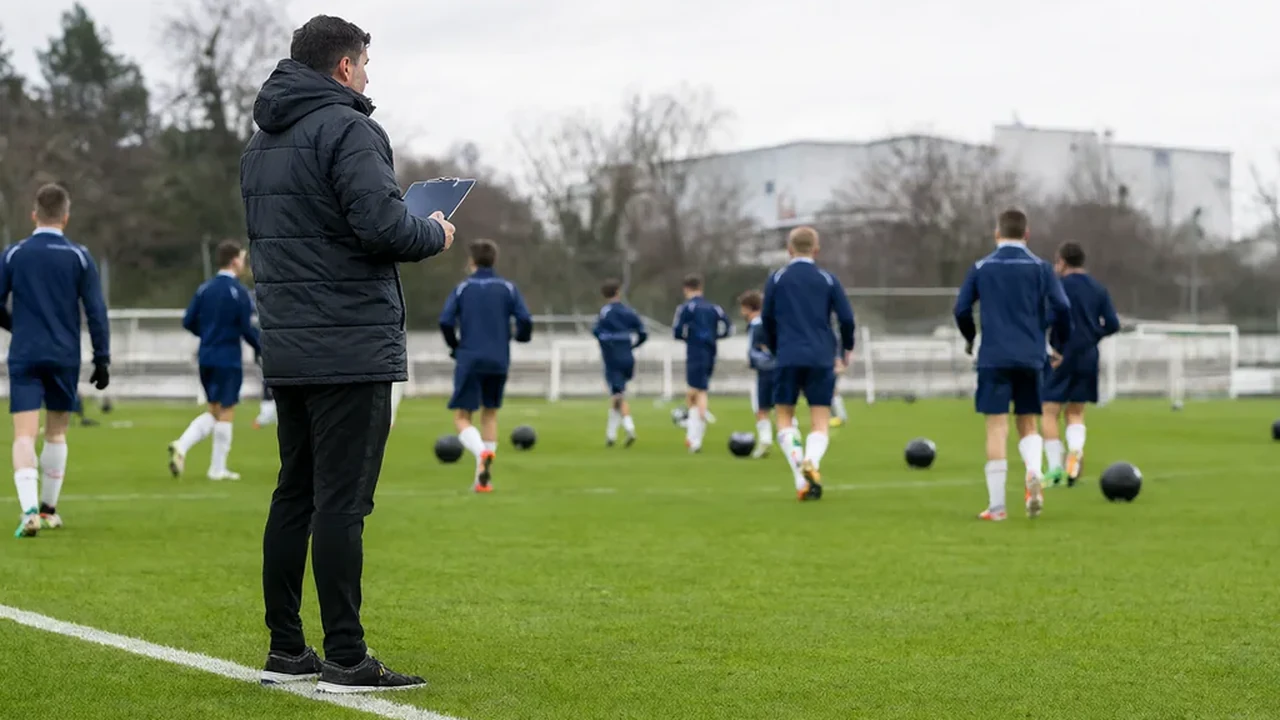
Predicted Lineups Under a New Manager: What Changes
Why the old baseline stops working, which clues matter in the first three games and when the teamsheet actually lands.
2026-10-18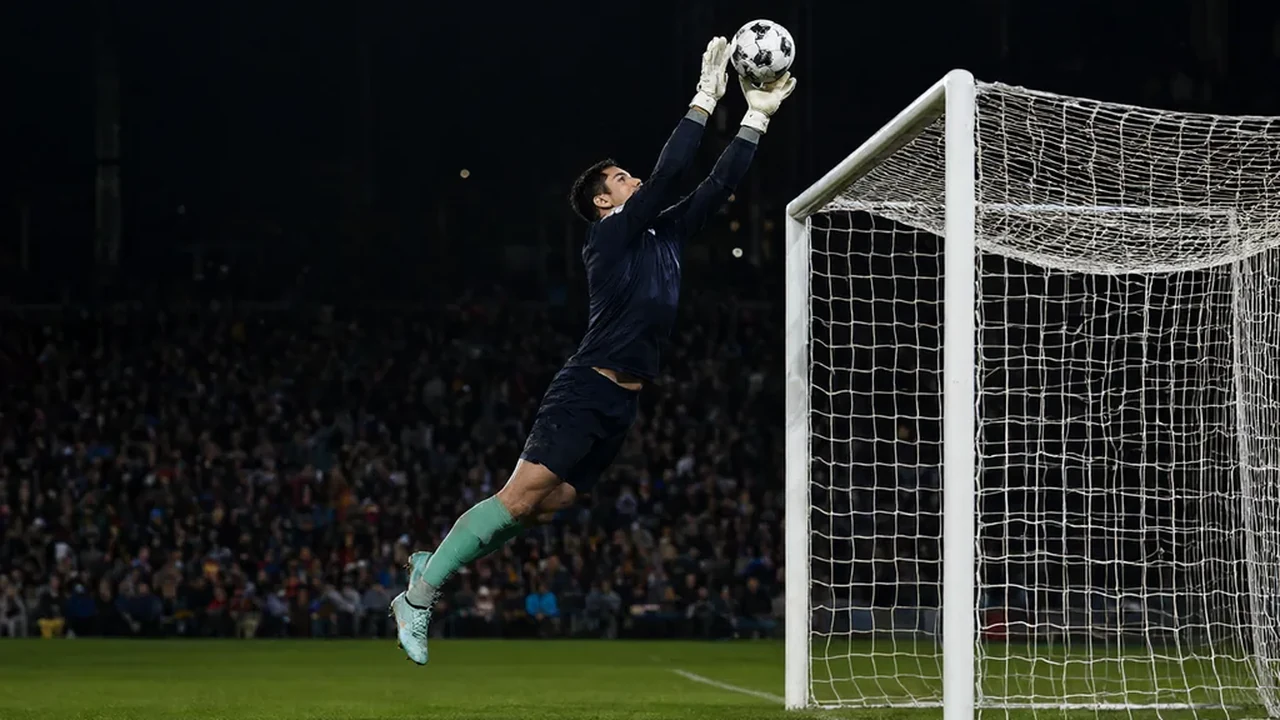
Cup Keepers: How Clubs Plan Goalkeeper Rotation
The only position with a standing rotation agreement. Why second-choice keepers get the cups, and when that rule breaks.
2026-09-01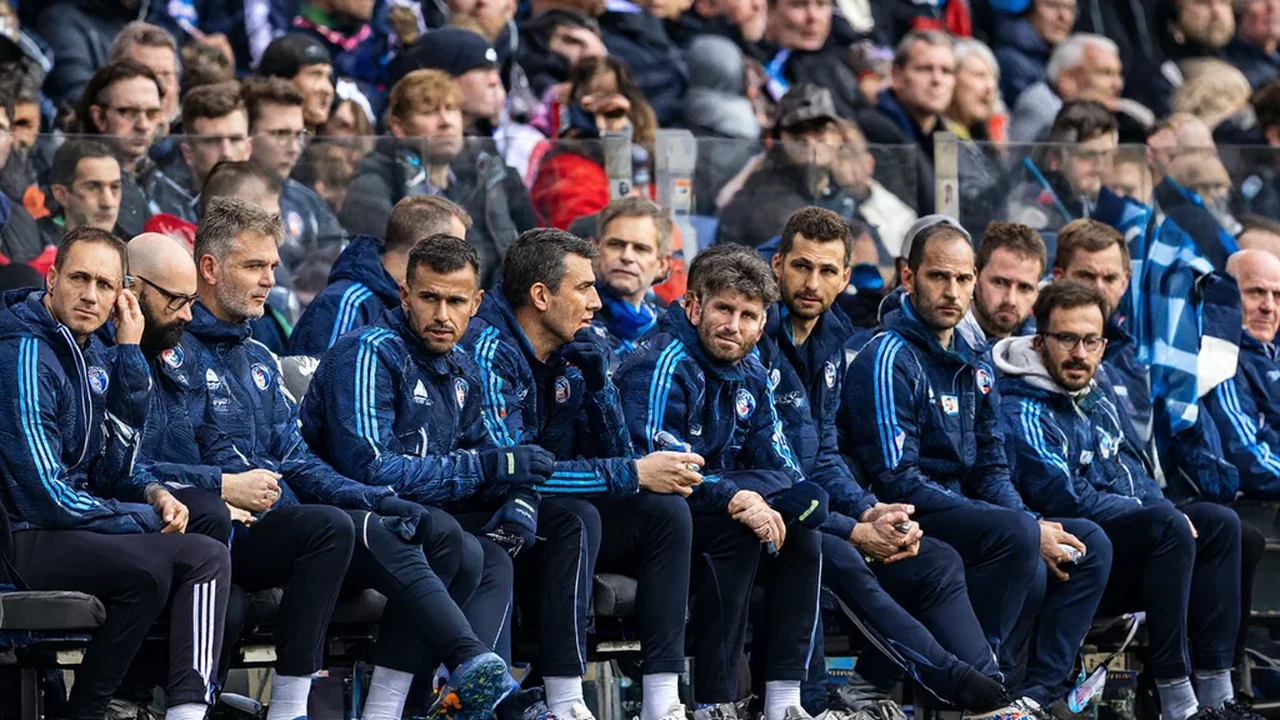
Rotation Risk: When Fixture Congestion Bites
Three games in eight days means somebody sits. How managers choose who rests, and which fixtures always trigger rotation.
2026-08-25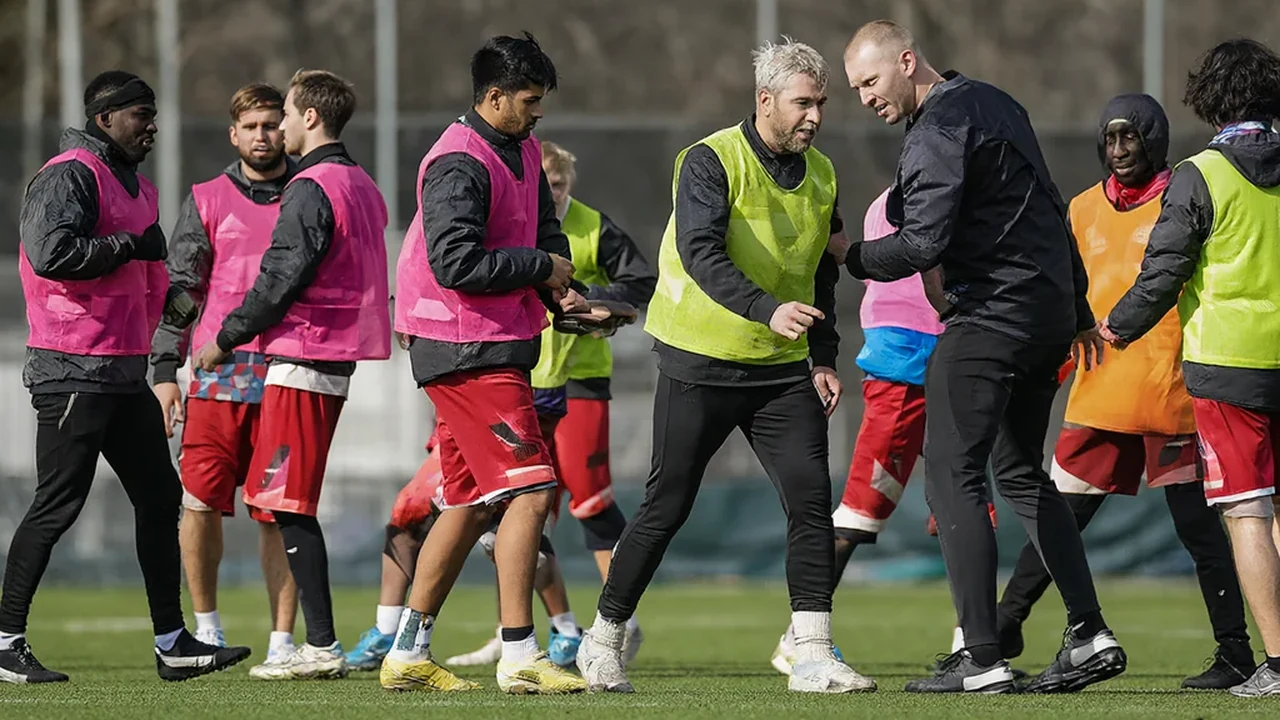
Training Ground Clues Behind Every Predicted XI
Fifteen open minutes of training can confirm a week of guesswork. What reporters actually look for at the training ground.
2026-08-21