
Training Ground Clues Behind Every Predicted XI

Most top-flight clubs open the first fifteen minutes of training to the media once a week. Fifteen minutes of jogging, rondos and stretching, watched by a row of beat reporters with notebooks. It looks like nothing. It is actually one of the most reliable public sources behind any predicted XI, if you know what the watchers are watching.
The ritual exists because broadcast contracts demand media access, and clubs give up as little as they can. But even a tightly managed window leaks information, and the people paid to stand at that fence have learned to read it.
The bib is the message
The single loudest signal is the coloured bib. In the small-sided games that close most sessions, the coaching staff splits the squad into teams, and the side wearing the starting bibs is frequently the next match's eleven rehearsing against the rest. Reporters rarely see that part of the session, but they see who warms up together, who the assistant coach pulls aside for tactical instruction, and who leaves the pitch early with a physio. A player doing individual work on the far side on Thursday is not starting on Saturday.
The second signal is absence itself. When a senior name is simply not on the grass, the notebook comes out. Clubs know this, which is why some now schedule the genuine injury doubts to train indoors during the open window. The cat-and-mouse between clubs and watchers is part of the job, and it is why the best lineup predictions always cite who was seen, not just what was said.

What the watchers actually log
The checklist is more systematic than the casual fan would guess.
- Presence: every senior name ticked off against the squad list within the first five minutes.
- Grouping: who warms up with the regulars and who is shuffled to the development group.
- Body language with staff: long conversations with the manager usually mean a role is changing.
- Physio shadowing: any player followed between drills by medical staff is carrying something.
- Set-piece rehearsal: the eleven practising corners on Friday morning is almost always the eleven starting.
| Clue | What it suggests | Caveat |
|---|---|---|
| Player absent from open session | Doubt for the weekend. | Could be scheduled individual work. |
| Starter bibs in small-sided games | The probable XI being rehearsed. | Some coaches rotate bibs to mislead. |
| Early exit with a physio | A knock being managed. | Minor issues are common midweek. |
| Youngster training with seniors | Bench cover being prepared. | Often just a numbers fill-in. |
| Set-piece walk-through group | Very close to the actual eleven. | The strongest single signal available. |

The closed session and what it hides
Everything sensitive happens after the cameras leave. The tactical periodisation of the week reserves the closed afternoons for the work that decides matches: pressing patterns against the next opponent's build-up, set-piece routines with the actual eleven, the walk-through where the manager shows a winger exactly which full-back he is targeting. Managers guard these sessions ferociously. Jose Mourinho famously shut down media access almost entirely at several of his clubs, and Pep Guardiola's tactical work has been conducted behind closed doors throughout his career.
The contrast explains the information market. Open minutes show availability, closed hours decide approach, and the gap between the two is where prediction becomes genuinely difficult. A predicted XI assembled from training sightings can be right about names and wrong about everything else: the same eleven can line up in two different shapes with two different jobs. The fence-watchers know this, and the honest ones say so. Their reports answer the who with increasing accuracy. The how stays inside, behind a fence with no media window at all.
Why clubs tolerate the leak
For the supporter reading along at home, the practical habit is simple. Find the beat reporters who cover the club, read their Thursday and Friday notes rather than the aggregated versions, and pay special attention to the passive details: who was missing, who left early, which youngster was mixing with the seniors. The open window gives up its secrets to anyone patient enough to watch it weekly, and the probable eleven assembles itself in the margins.
It would be easy to close the window entirely, and a few managers have tried. Most accept the arrangement because the trade-off works: broadcasters get their access, reporters get their colour, and the club keeps the genuinely sensitive work for the closed afternoon sessions. The predicted XI that emerges from the open quarter-hour is close, never exact, and clubs know the opposition analysts are reading the same reports. The real secrets, the tactical wrinkles and the late fitness decisions, stay behind the fence. The open window tells you who is fit. It never tells you the plan.
Related analysis
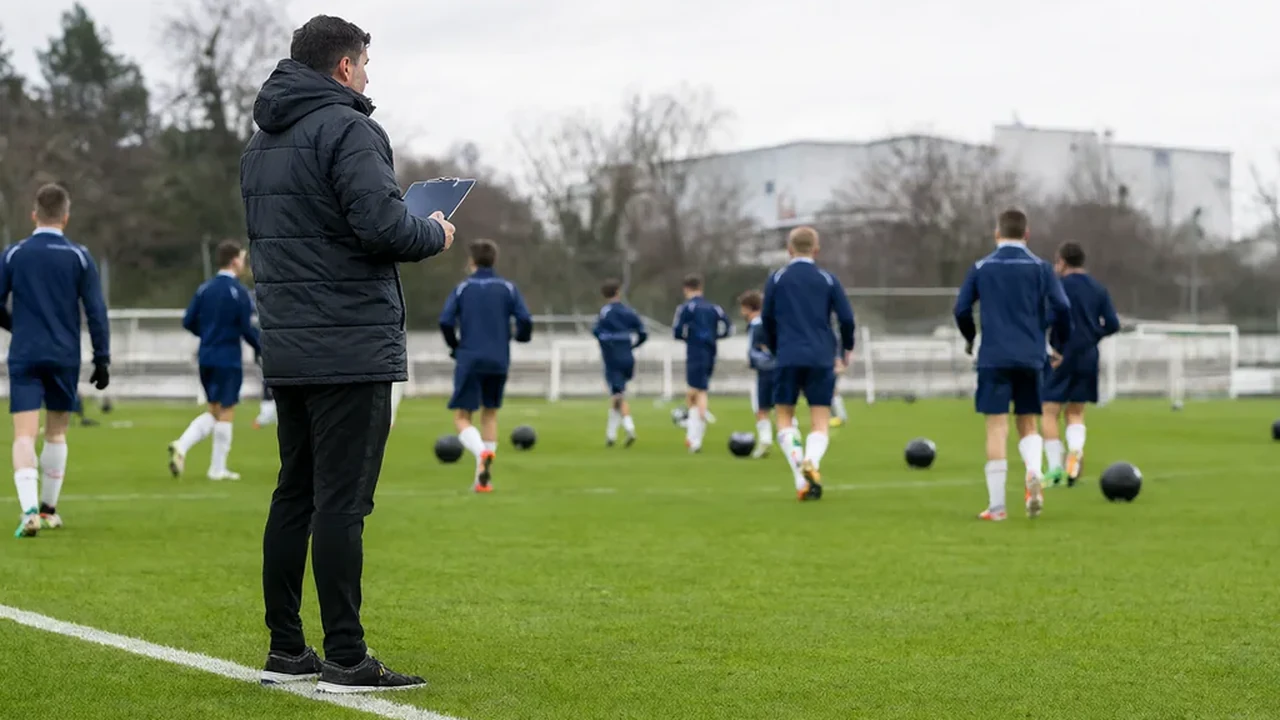
Predicted Lineups Under a New Manager: What Changes
Why the old baseline stops working, which clues matter in the first three games and when the teamsheet actually lands.
2026-10-18
Cup Keepers: How Clubs Plan Goalkeeper Rotation
The only position with a standing rotation agreement. Why second-choice keepers get the cups, and when that rule breaks.
2026-09-01
Late Fitness Tests: What They Really Mean
A late fitness test is a private audition with real stakes. What actually happens on the morning of a match.
2026-08-29
Rotation Risk: When Fixture Congestion Bites
Three games in eight days means somebody sits. How managers choose who rests, and which fixtures always trigger rotation.
2026-08-25