
Rotation Risk: When Fixture Congestion Bites

Three matches in eight days, twice a month, every month from September to March. That is the calendar a modern top-flight squad actually lives inside, and rotation is not a manager's whim in that world. It is arithmetic. The only real question is which match gets the changed eleven, and learning to spot it in advance is one of the most useful skills in reading team news.
The five-substitute rule, made permanent by IFAB in 2022, changed the maths but not the problem. Managers can now protect legs during a match, yet the total minutes across a congested month still have to come from somewhere. Studies of the post-rule era show starters still get rested for whole games, because five in-game changes cannot replace a full night off.
Which fixture always triggers the changes
The resting pattern has a geography. The match after a European away trip is the classic spot for changes: a Thursday night in Kazakhstan followed by a Sunday league game has broken more predicted XIs than any injury. The second trigger is the fixture sandwiched between two big ones, the mid-table home game that sits between a derby and a Champions League knockout tie. Managers call these games dangerous, and what they mean is that the eleven will change while the focus stays elsewhere.
Position matters as much as the fixture. Full-backs are the most rotated players in elite squads because the role demands repeated high-speed runs and the drop-off is visible in the GPS data by game three. Holding midfielders with heavy pressing duties come next. Centre-backs and goalkeepers barely rotate at all unless form forces it.

The signals that rotation is coming
The clues are visible before the manager says a word at the Friday briefing.
- A starter played ninety minutes midweek in Europe, especially if he is over thirty.
- The next league opponent sits in the bottom half while a cup tie looms the following midweek.
- The deputy at a rotation-prone position has been publicly praised in the last two pressers.
- Training galleries show the second string working together as a unit.
- The manager mentions the word freshness, the reliable code for planned changes.
| Pattern | Typical changes | Positions affected |
|---|---|---|
| League game after European away | 2 to 4 changes | Full-backs, wingers, one midfielder |
| Game between two big fixtures | 3 to 5 changes | Entire front line at risk |
| Third match in eight days | 1 to 3 changes | The highest-minute players |
| December festive block | Rolling changes weekly | Every line except goalkeeper |
| Dead-rubber group game | 5 or more changes | Youth and fringe players start |

The December block, by the numbers
The festive period compresses the English season into its most brutal stretch: three league rounds routinely land between Boxing Day and the first days of January, with some clubs playing three times in six or seven days. Sports science has quantified what that does. Research on fixture congestion, including work from the UEFA injury study group, links short recovery windows of under four days to measurably higher muscle injury rates, and December is one long sequence of short windows.
The squads that survive the block intact share habits rather than luck. Their medical teams pre-plan minutes budgets per player across the three games. Their managers change three or four names per match by design rather than waiting for the treatment room to force six. Their benches, deepened by the nine-substitute rule and the five changes allowed in play, carry genuine quality rather than emergency fillers. The league table in early January always tells two stories: who won the matches, and whose squad planning made winning them possible.
Reading the changes without panicking
The calendar for the seasons around the 2026 World Cup has made the conversation sharper, with expanded competitions adding fixtures to schedules that were already at the edge. Player unions have begun publishing workload reports naming the issue plainly, and managers echo them weekly. Whatever the sport eventually decides about the calendar, the changes to the eleven will remain the first visible symptom of congestion, announced one teamsheet at a time.
The mistake is treating squad changes as random. It follows the calendar so faithfully that experienced analysts sketch the likely dates for changes a month ahead, then adjust for injuries and form. When a predicted XI shows three changes for a post-European weekend, that is not a writer hedging. It is the calendar doing what it always does. The managers who rotate best, and Pep Guardiola built a dynasty partly on this skill, rotate early and by plan rather than late and by crisis. The ones who refuse to rotate eventually watch the treatment room make the decisions for them.
Related analysis
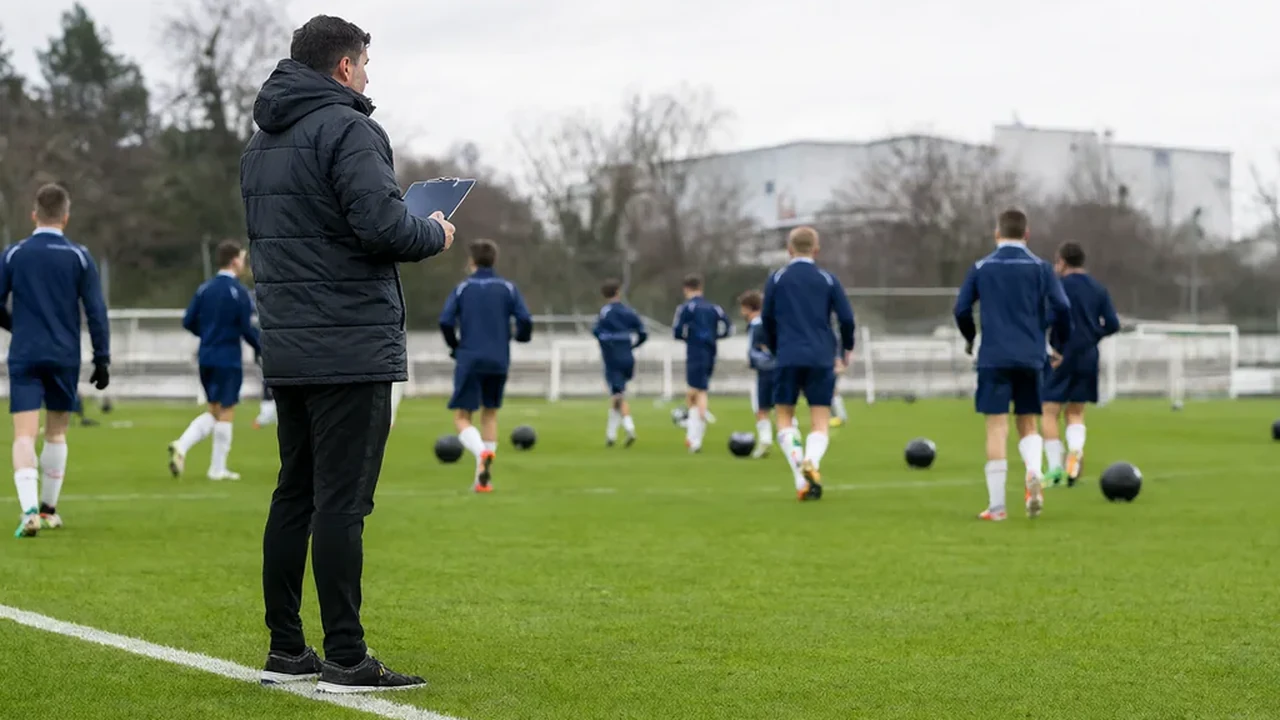
Predicted Lineups Under a New Manager: What Changes
Why the old baseline stops working, which clues matter in the first three games and when the teamsheet actually lands.
2026-10-18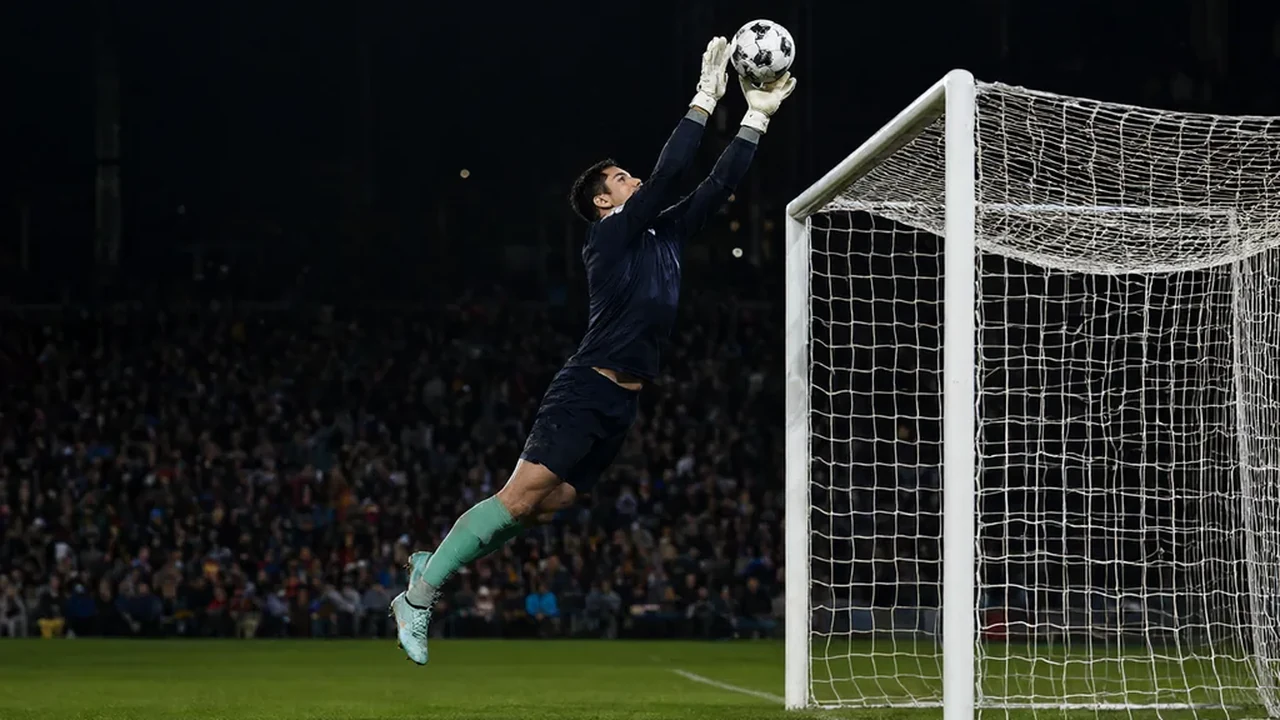
Cup Keepers: How Clubs Plan Goalkeeper Rotation
The only position with a standing rotation agreement. Why second-choice keepers get the cups, and when that rule breaks.
2026-09-01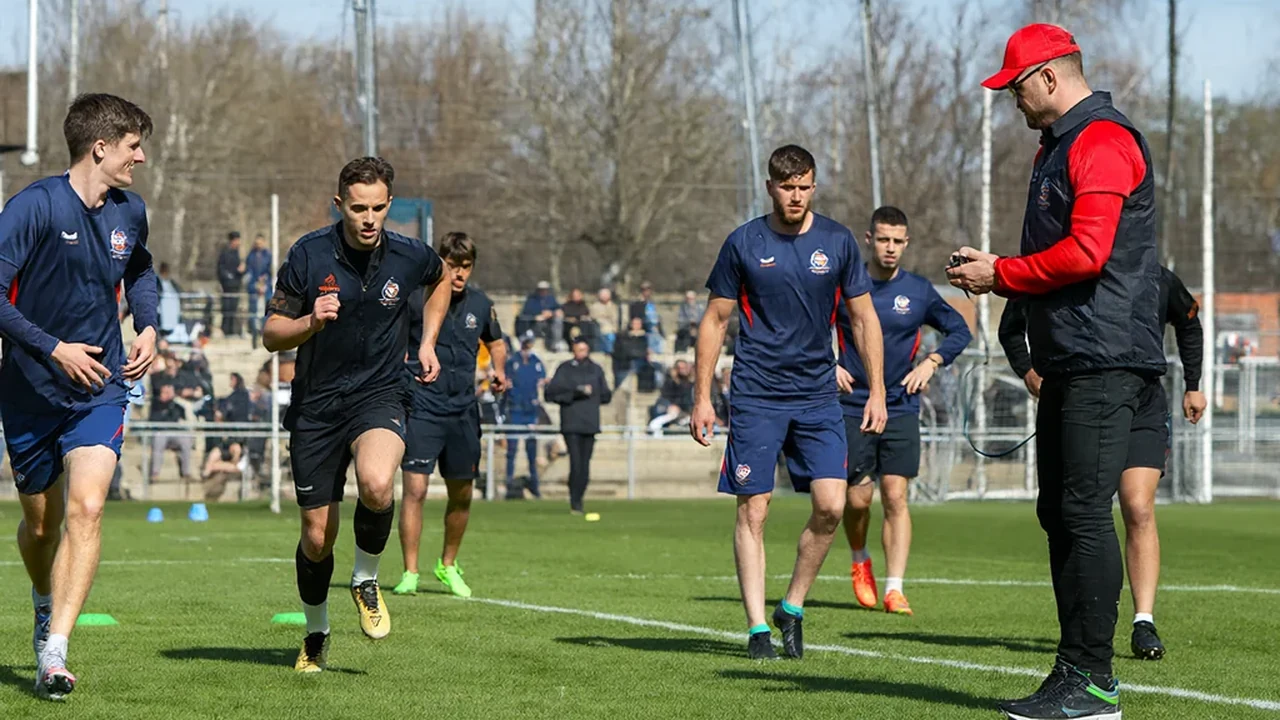
Late Fitness Tests: What They Really Mean
A late fitness test is a private audition with real stakes. What actually happens on the morning of a match.
2026-08-29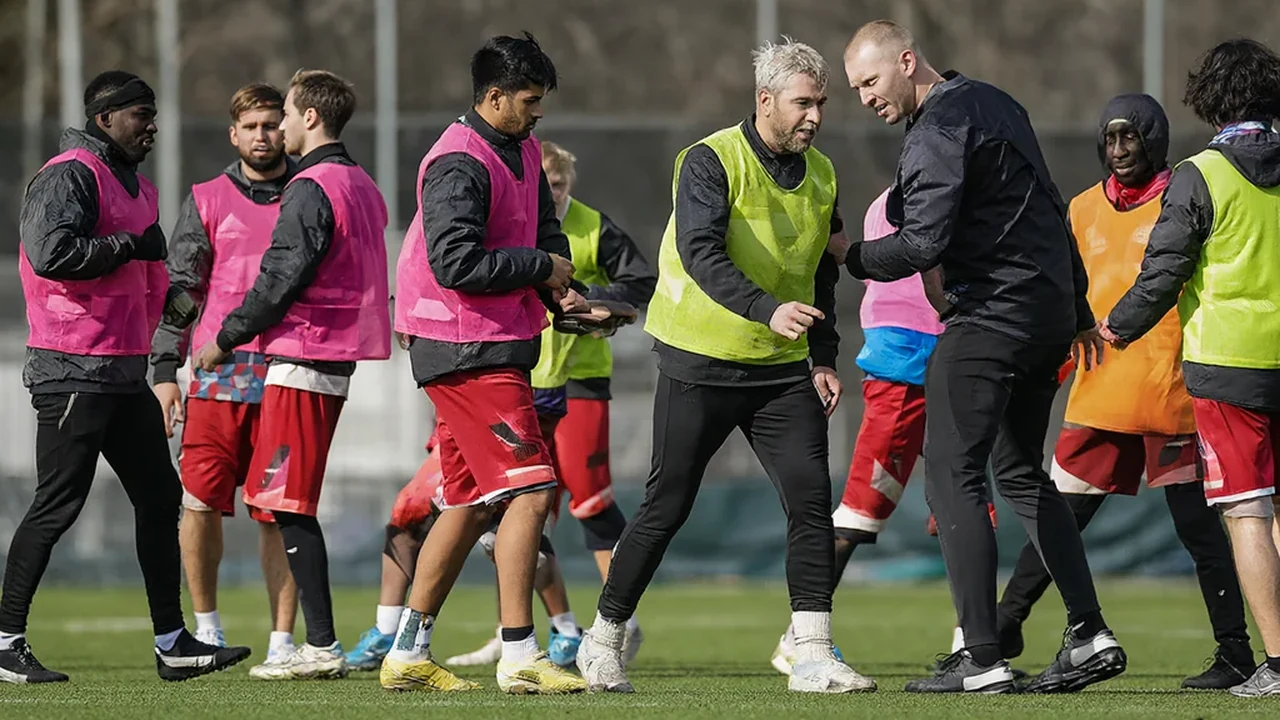
Training Ground Clues Behind Every Predicted XI
Fifteen open minutes of training can confirm a week of guesswork. What reporters actually look for at the training ground.
2026-08-21