
How injuries change a predicted lineup
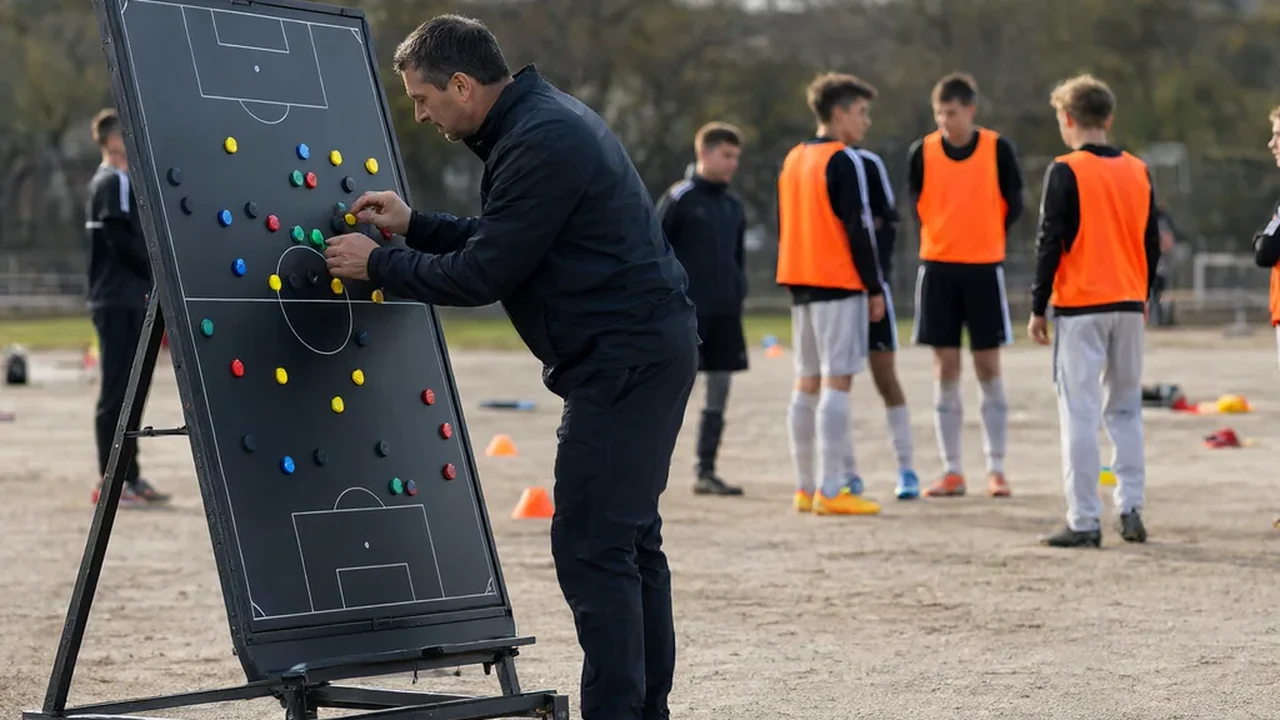
A predicted lineup is not a list of the eleven best players. It is a solution to a set of constraints, and the biggest constraint is always availability. This week Arsenal went into the Forest game with eight players reported as missing, Tottenham went into Coventry with ten, and Manchester United travelled to Leeds without Sesko and two defenders. In each case the absence did not simply remove a name. It changed the shape, the role of a teammate, and sometimes the entire side of the pitch.
An absence is a positional problem first
The first question is never who replaces the player. It is what the player was doing. A left-footed centre-back who steps into midfield creates different problems from a right-back who overlaps. Coaches solve for the function, not the name, which is why the same squad can produce two completely different lineups depending on which defender is missing. Once you identify the function, the replacement is usually obvious, and the knock-on effects become predictable.
Arsenal: the left side without Hincapie
Hincapie being out for weeks removes a left-sided defender who allows Arsenal to build with three at the back in possession. The immediate question is whether Arteta keeps the back four or reverts to a more conservative shape with a midfielder dropping in. Zubimendi being close but facing a test complicates it further, because his availability determines whether the midfield can absorb that extra responsibility. Saliba's return, if it comes, solves the central problem but not the left-footed one. Expect the probable XI to be written with two variants: one with Zubimendi and a back four, one without him and an extra body in midfield.
Tottenham: midfield without Bergvall and Bentancur
Tottenham's situation is the cleanest example of a chain reaction. Bergvall is out, Bentancur is suspended, and Savio is also missing for Coventry, which removes two central options and a wide one at the same time. Kulusevski returning after 526 days gives De Zerbi a creative body, but a player back from that long an absence is not a 90-minute solution. The likely shape keeps three in midfield with Kulusevski as the advanced one and a more defensive pair behind him. Porro's fitness, described as an update rather than a return, decides whether the right side is a full-back or a winger playing there.
Manchester United: no Sesko, De Ligt back
Sesko not travelling removes the focal point, and two defenders failing to travel removes the option of a back three. De Ligt being back is the compensating piece, because it allows Carrick to keep a recognised centre-back pair and push the spare body into midfield. Shaw being a doubt affects the left, and Bruno Fernandes being handed a new role suggests the solution is a forward line without a fixed number nine, with Bruno arriving in the box rather than starting there. That is a functional change, not a like-for-like substitution, and it usually produces a lower-tempo game.
Chelsea: Gittens out, James a doubt
Chelsea's pre-Everton news had two ruled out and two doubts. Gittens being out removes width on one side, and James being a doubt removes the option of a right-back who steps into midfield. When both are missing, the probable XI usually shifts to a winger at right-back or a more conservative midfield three. Emiliano Martinez's surgery and few weeks out is a separate problem, but it belongs in the same calculation, because a changed goalkeeper changes how high the back line can push.
When the shape changes instead of the personnel
Sometimes the replacement is not a replacement at all. A manager without a left-sided centre-back may switch to a back three, which changes the role of both full-backs and one winger. A manager without a centre-forward may use a midfielder as a false nine, which changes the pressing pattern and the height of the defensive line. These are the changes a predicted XI has to capture, because naming the understudy in the same shape often produces a lineup the manager never intended to play. The tell is in the press conference: if he talks about balance or about the opponent rather than about the individual, expect a structural change rather than a swap.
Building a probable XI in five minutes
Start with the confirmed absentees and mark the position each one occupies. Then mark the players described as doubts and assume they are on the bench. That gives you a skeleton of maybe seven names. Fill the remaining slots with the most natural understudy, not the best player, and check whether the resulting eleven can play the manager's usual shape. If it cannot, move one player and accept that the shape changes. Finally, check the bench for the flagged names, because a 25 per cent flag usually means a substitute appearance rather than a start.
| Club | Absentee | Position and function | Effect on the XI |
|---|---|---|---|
| Arsenal | Hincapie | Left-sided centre-back | Back four or a midfielder dropping in |
| Arsenal | Zubimendi | Deep midfielder, doubtful | Extra body in midfield if he fails test |
| Tottenham | Bergvall | Central midfielder | Kulusevski advanced, two holders |
| Tottenham | Bentancur | Central midfielder, suspended | No like-for-like replacement |
| Tottenham | Savio | Wide forward | Right side reshuffled, Porro doubt |
| Man Utd | Sesko | Centre-forward | Bruno as a false nine |
| Man Utd | Two defenders | Back line | De Ligt returns, back four kept |
| Chelsea | Gittens | Wide forward | Width from full-back |
| Chelsea | James | Right-back, doubtful | Winger at full-back or a back three |
- Identify the function before the replacement.
- Treat every doubt as a substitute when writing a first draft.
- Check whether the remaining eleven can still play the usual shape.
- Watch the bench, because that is where 25 per cent flags actually land.
The same method applies whether a club has one absentee or ten, and it is the basis of our guide to how predicted lineups are built. The variable that changes most is not the replacement but the shape, which is why a team missing a left-sided defender often looks less like itself than a team missing its striker. When the absentee list reaches eight or ten, as it did at Arsenal and Tottenham this week, the predicted XI becomes an exercise in damage limitation rather than selection.
Related analysis
Ankle Sprains in Football: Grades and Return Timelines
What grade 1, 2 and 3 ankle sprains mean, the weeks attached to each and why the same ankle keeps rolling.
2026-10-18
Injury round-up: what clubs said after the October break
Six clubs, one weekend, and very few return dates: what the October injury updates actually said.
2026-10-18
How to read club injury statements
A practical decoder for the phrases clubs use, from out for weeks to no timescale at all.
2026-10-18
FPL flags and chance of playing explained
Yellow, orange, red: how FPL percentages are set and what to do with a 25 per cent flag.
2026-10-18